Lung cancer

Lung cancer

_____________________________

Schedule Consultation
Doctor Consultation

Schedule Consultation

Schedule Consultation
Doctor Consultation

Schedule Consultation

Fuda Cancer Hospital
Lung Cancer Treatment in India – Fuda Cancer Hospital

Lung Cancer Treatment in India – Fuda Cancer Hospital

lung cancer treatment in India can cost different amounts. As a simple idea, expenses may start from about ₹2,00,000 and can go higher depending on tests, surgery, targeted medicines, radiotherapy, and hospital stay.

This page explains lung cancer in very simple English. It helps anyone understand what lung cancer is, its symptoms, tests, treatment options, and how Fuda Cancer Hospital provides follow-up and palliative care in both Mumbai and Noida.

What is lung cancer?

Lung cancer happens when some cells in the lungs grow in a wrong way and form a tumor. The lungs help us breathe, so any problem inside them can make a person weak, breathless, or tired.

  • Bad cells grow to form a tumor.
  • It can spread to bones, liver, and brain.
  • Early treatment helps improve survival.

Types of lung cancer

Non–Small Cell Lung Cancer (NSCLC)

Most common. Grows slowly. May be treated with surgery, radiation, targeted therapy, or chemotherapy.

Small Cell Lung Cancer (SCLC)

Fast-growing. Needs quick treatment such as chemo and radiation.

Common Causes

  • Smoking (biggest cause)
  • Second-hand smoke
  • Air pollution & dust
  • Workplace chemicals like asbestos
  • Family history

Symptoms of lung cancer

  • Long-lasting cough
  • Shortness of breath
  • Chest pain
  • Coughing blood
  • Unexplained weight loss
  • Frequent chest infections

How doctors diagnose lung cancer

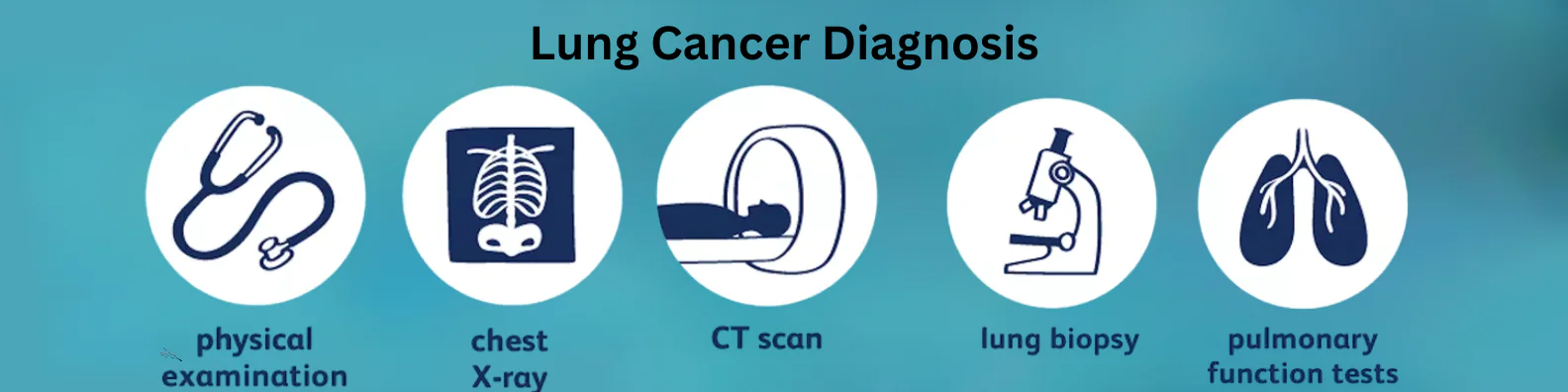
  • Chest X-ray: First screening.
  • CT / MRI: Detailed images.
  • PET-CT: Shows if cancer spread.
  • Biopsy: Small tissue sample checked.
  • Bronchoscopy: Camera inside lungs.

Treatment options in India

India offers advanced and affordable treatment options. Doctors choose the plan depending on stage and health.

Surgery

Used for early lung cancer. Removes the tumor or part of lung. Recovery is faster with minimally invasive surgery.

Chemotherapy

Medicines to kill cancer cells. May be before or after surgery.

Radiation therapy

High-energy rays to shrink or kill tumors.

Targeted therapy

Smart medicines that attack only cancer cells with special mutations.

Immunotherapy

Boosts the body’s immune system to fight cancer.

Cryotherapy

Fuda uses freezing technology for tumors in some cases. Helpful for patients who cannot have major surgery.

Costs – simple idea

  • Early stage: ₹2,00,000 – ₹4,00,000
  • Mid stage: ₹4,00,000 – ₹7,00,000
  • Advanced stage: ₹7,00,000 and above

Fuda Cancer Hospital – Follow-up & Palliative Care Centres

Mumbai Centre – Follow-up Treatment & Palliative Care

The Fuda Cancer Centre/Hospital in Mumbai focuses on follow-up visits after treatment and palliative care. Services include:

  • Regular check-ups & tests
  • Pain and symptom management
  • Nutrition advice & physiotherapy
  • Counselling and emotional support

Noida Centre – Follow-up Treatment & Palliative Care

The Fuda Cancer Centre in Noida provides follow-up and palliative care for north India. Services include:

  • Follow-up checks & monitoring
  • Palliative care for comfort & relief
  • Coordination with treating doctors
  • Home-care guidance & nursing advice

Why choose Fuda?

  • Simple explanation of treatment plans
  • Advanced technologies
  • Follow-up & palliative centres in Mumbai and Noida
  • Clear cost planning
  • Supportive care for long-term needs

Final words

Many patients choose lung cancer treatment in India because India offers modern care at reasonable cost. Fuda Cancer Hospital supports patients through its follow-up and palliative care centres in both Mumbai and Noida. Early check-up, early diagnosis, and the right treatment plan can make a big difference. With proper care, patients can live longer, breathe better, and feel more comfortable. If you notice symptoms, do not wait — early action always helps.

Frequently Asked Questions (FAQ)

1. What causes lung cancer? +

Smoking is the biggest cause. Pollution, chemicals, and family history also increase risk.

2. What are early signs of lung cancer? +

Long cough, chest pain, breathing problems, coughing blood, and weight loss.

3. Can lung cancer be cured? +

Early-stage lung cancer can often be cured. Advanced cancer can be controlled to improve life quality.

4. Does Fuda provide palliative care? +

Yes, Fuda provides palliative care at its Mumbai and Noida centres.

5. How much does lung cancer treatment cost in India? +

Costs vary from ₹2,00,000 to ₹10,00,000 depending on treatment stage.

6. Does Fuda help with home-care planning? +

Yes, both centres guide patients with home-care, nursing, nutrition, and comfort planning.

Diagnosis of Lung Cancer

Diagnosis involves several steps in testing to confirm cancer and determine how far it has spread:

Taking a Medical History and Physical Exam

Imaging Studies

Conducting a Chest X-ray, CT scan, PET scan, or MRI for lung masses and assessing for metastasis.

Sputum Cytology

Sputum Cytology is an examination method in which mucus from saliva samples is carefully examined to detect cancerous cells.

Biopsy

  • Bronchoscopy: A flexible tube is inserted into the lung to gather tissue samples which a pathologist examines.
  • Needle biopsy: Using a tiny needle with CT or ultrasound guidance to aspirate tissue.
  • Liquid biopsy: Acquiring tissues via blood samples.

Molecular and Genetic Tests

As part of targeted therapy, molecular genetic testing allows physicians to detect specific mutations (EGFR, ALK, or KRAS), enabling targeted drug treatments.

Workup for Staging

Vital for treatment plan selection, including imaging of the bone and brain for metastasis.

Lung Cancer Treatment

Treatment options vary based on health, genetics, type, and stage of disease. They are divided into:

A. Traditional Treatment Options (TTOs)

1. Surgical Procedures

  • Lobectomy: Removal of one lung lobe in early-stage NSCLC.
  • Pneumonectomy: Complete removal of a lung for large or centrally located tumors.
  • Segmentectomy/Wedge Resection: For smaller tumors or patients with limited lung function.

2. Radiation Therapy

  • External Beam Radiation Therapy (EBRT): Uses high-energy beams to target tumors externally.
  • Stereotactic Body Radiotherapy (SBRT): Precision treatment for small tumors.

3. Chemotherapy

Systemic drugs administered via IV or orally to destroy cancer cells. Common medicines include cisplatin, carboplatin, paclitaxel, and docetaxel.

Targeted Therapies

  • EGFR inhibitors: Erlotinib, Afatinib for patients with EGFR mutations.
  • ALK inhibitors: Crizotinib, Alectinib for ALK-positive patients.
  • ROS1 and BRAF targeted agents: For rare mutations.

Targeted Radiation Therapy

  • Brachytherapy: Radioactive seeds near or within tumors for local treatment.
  • Radioembolization: Used for lung tumor metastases to the liver.

Advanced Immunotherapy and Stem Cell Therapies

  • Immunotherapy Drugs: Nivolumab, Pembrolizumab activate T-lymphocytes to attack tumors.
  • CAR-T cell therapy: Clinical trials ongoing for lung and other solid tumors.

Prevention and Lifestyle Management

Strategies focus on controlling exposure to carcinogens:

  • Complete smoking cessation
  • No exposure to secondhand smoke
  • Regular home radon testing
  • Safe handling of asbestos and industrial toxins
  • Antioxidant-rich diet
  • Regular exercise and maintaining proper weight
  • Screening with low-dose CT for high-risk individuals

Prognosis and Survival Statistics

Prognosis depends on general health and intervention methods. According to the American Cancer Society:

  • About 65% five-year survival for localized stage
  • 45% survival for regional spread
  • 35% survival with nearby lymph node involvement
  • 8% survival for distant metastases

Participation in screening programs significantly improves outcomes, especially for high-risk groups like smokers.

Conclusion

Lung cancer remains one of the deadliest cancers. Early detection, risk recognition, prevention, and targeted therapies can improve life expectancy. Education, screening, and innovative treatment approaches provide hope against this devastating disease.

Our Specialties & Procedures

Explore our range of advanced cancer care procedures designed to provide comprehensive treatment and improve your well-being.

Cancer Icon

Advanced Therapies For Cancer

Innovative and precise cancer treatments combining advanced technology, targeted therapy, and personalized medicine for better recovery outcomes.

Explore More →
Cancer Icon

Treating Specific Cancer

Specialized treatment plans for different cancer types — including liver, lung, breast, and bone cancers — with a focus on patient comfort and long-term wellness.

Explore More →

Our Specialties & Procedures

Explore our range of advanced cancer care procedures designed to provide comprehensive treatment and improve your well-being.

Cancer Icon

Advanced Therapies For Cancer

Innovative and precise cancer treatments combining advanced technology, targeted therapy, and personalized medicine for better recovery outcomes.

Explore More →
Cancer Icon

Treating Specific Cancer

Specialized treatment plans for different cancer types — including liver, lung, breast, and bone cancers — with a focus on patient comfort and long-term wellness.

Explore More →

ABOUT FUDA CANCER HOSPITAL

OUR ACHIEVEMENTS

Achievements of FUDA CANCER HOSPITAL

50+ Doctors

Professional Experts

1200+ Patients

Happy Indian Patients

100+ Countries

Global Presence

500+ Employees

Dedicated Workforce

Advanced Therapies for Cancer of All Stages

Nano Knife IRE (Irreversible Electroporation)

Cryotherapy | Cryosurgery | Cryo-ablation

Brachytherapy for Cancer

Microvascular Interventional Chemotherapy

Patient Testimonials

Mrs. Pratibha Rajgopal

Mrs. Dipikabehan Parmar

Mrs. Roseline Chandran

Mrs. Jyoti Bhatia

Scroll to Top