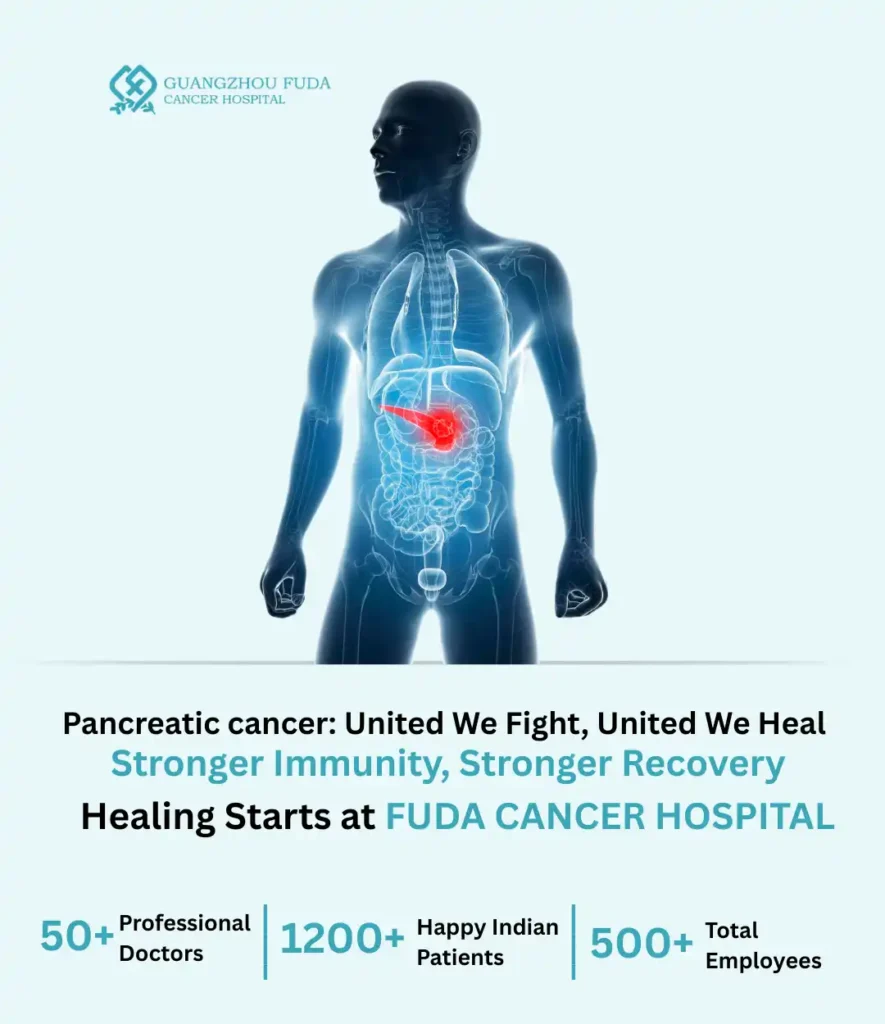
Pancreatic cancer Treatment in India
_____________________________

Expert Cancer Consultation
From Trusted Specialists
Schedule Consultation
Fill the form below and our medical team will contact you shortly.
Thank You!
Your enquiry has been submitted successfully.
Our team will contact you shortly.
– Start Online Consultation
If you or your loved one is diagnosed with Pancreatic Cancer, early expert evaluation is essential for better treatment planning. Fuda Cancer Centre supports patients across India with advanced and personalised care. There is no need to travel initially — you can begin with an online consultation from the comfort of your home.
Our experienced specialist Dr. Anup Aboti will carefully review your medical reports, including CT/MRI scans, biopsy results, and treatment history, to recommend a tailored pancreatic cancer treatment plan. This may include targeted therapy, chemotherapy, supportive care, or multidisciplinary treatment approaches based on your condition. Fill out the form to schedule your online consultation today.
Start Online Consultation →Overview
A diagnosis of pancreatic cancer can be challenging, but advances in cancer diagnosis and treatment have created more opportunities for effective, personalized care. Since pancreatic cancer often develops without obvious symptoms in its early stages, timely diagnosis and treatment by an experienced multidisciplinary team are essential for achieving the best possible outcomes.
Treatment for pancreatic cancer depends on several factors, including the type of tumour, stage of the disease, its location within the pancreas, and the patient's overall health. Depending on the individual case, treatment may involve surgery, chemotherapy, radiation therapy, targeted therapy, immunotherapy, or a combination of these approaches.
Modern pancreatic cancer care focuses not only on treating the disease but also on managing symptoms, preserving quality of life, and supporting patients throughout every stage of their treatment journey. With advances in diagnostic imaging, minimally invasive procedures, precision medicine, and comprehensive supportive care, many patients today have access to more effective and individualized treatment options than ever before.
What is Pancreatic Cancer?
Pancreatic cancer develops when abnormal cells in the pancreas begin to grow uncontrollably and form a tumour. The pancreas is a vital organ located behind the stomach that plays an important role in digestion by producing digestive enzymes and helps regulate blood sugar levels by releasing hormones such as insulin and glucagon.
There are two main types of pancreatic cancer. Exocrine pancreatic cancer, particularly pancreatic ductal adenocarcinoma (PDAC), is the most common form and accounts for the majority of cases. The less common type, known as pancreatic neuroendocrine tumour (PNET), develops from the hormone-producing cells of the pancreas and often behaves differently from exocrine cancers.
One of the biggest challenges with pancreatic cancer is that it frequently causes few or no symptoms in its early stages. As a result, the disease is often diagnosed after it has grown or spread to nearby organs. Early diagnosis through appropriate imaging, laboratory tests, and specialist evaluation is important because it allows doctors to determine the stage of the disease and recommend the most suitable treatment plan.
Early Warning Signs & Symptoms of Pancreatic Cancer
Pancreatic cancer is often called a "silent disease" because it usually causes few or no symptoms in its early stages. Many of the warning signs appear only after the tumour has grown large enough to affect nearby organs, nerves, or the bile duct. Since these symptoms can also occur in other digestive conditions, they should not be ignored—especially if they persist or worsen over time.
Jaundice (Yellowing of the Skin and Eyes)
Jaundice is one of the most common early signs of pancreatic cancer, particularly when a tumour blocks the bile duct. It may be accompanied by:
- Yellowing of the skin and whites of the eyes
- Dark-coloured urine
- Pale or clay-coloured stools
- Persistent itching
Persistent Abdominal or Back Pain
Pain in the upper abdomen that spreads to the middle or lower back is another common symptom. The discomfort may become worse after eating or when lying flat and often persists despite routine treatment.
Unexplained Weight Loss and Loss of Appetite
Many people with pancreatic cancer experience unintended weight loss, reduced appetite, or a feeling of fullness after eating small amounts of food. These symptoms occur because the pancreas may no longer produce enough digestive enzymes, making it difficult for the body to absorb nutrients.
Digestive Problems
Pancreatic cancer can interfere with normal digestion, leading to symptoms such as:
- Nausea or vomiting
- Bloating or excessive gas
- Indigestion
- Fatty or greasy stools that are difficult to flush
Fatigue and General Weakness
Persistent tiredness, low energy levels, and weakness that do not improve with adequate rest may occur as the disease progresses.
New-Onset Diabetes
In some people, newly diagnosed diabetes or sudden difficulty controlling blood sugar levels may be an early sign of pancreatic cancer, particularly in adults over the age of 50 who have no previous history of diabetes.
Blood Clots
Some patients develop unexplained blood clots before pancreatic cancer is diagnosed. Although blood clots have many possible causes, they should be medically evaluated, especially when combined with other symptoms.
Types of Pancreatic Cancer
Pancreatic cancer is classified according to the type of cells in which it begins. Understanding the type of pancreatic cancer helps doctors determine the most appropriate treatment strategy and expected prognosis.
Exocrine Pancreatic Cancer
Exocrine pancreatic cancer accounts for more than 90% of all pancreatic cancer cases. It develops in the cells responsible for producing digestive enzymes. The most common subtype is Pancreatic Ductal Adenocarcinoma (PDAC), which begins in the ducts that carry digestive enzymes from the pancreas to the small intestine. PDAC is often aggressive, making early diagnosis and prompt treatment particularly important.
Pancreatic Neuroendocrine Tumours (PNETs)
Pancreatic neuroendocrine tumours (PNETs) arise from the hormone-producing cells of the pancreas. These tumours are much less common than exocrine pancreatic cancers and may grow more slowly. Some PNETs release excess hormones that cause specific symptoms, while
Causes and Risk Factors of Pancreatic Cancer
Pancreatic cancer develops when genetic changes (DNA mutations) cause cells in the pancreas to grow and multiply uncontrollably, eventually forming a malignant tumour. While the exact reason these genetic changes occur is not always clear, researchers have identified several factors that can increase a person's risk of developing pancreatic cancer. Having one or more risk factors does not necessarily mean someone will develop the disease, but understanding these factors can help identify individuals who may benefit from closer medical evaluation or screening.
- Smoking: Smoking is one of the most significant and preventable risk factors for pancreatic cancer. Chemicals found in tobacco can damage the DNA of pancreatic cells over time, increasing the likelihood of cancer development. The risk is higher in people who smoke regularly and gradually decreases after quitting.
- Family History and Inherited Genetic Mutations: A family history of pancreatic cancer can increase the risk, particularly if multiple close relatives have been diagnosed with the disease. Certain inherited genetic mutations are also associated with a higher risk, including BRCA1, BRCA2, PALB2, CDKN2A, STK11, and genes linked to Lynch syndrome. Individuals with a strong family history may benefit from genetic counselling and, in some cases, specialised screening.
- Increasing Age: The likelihood of developing pancreatic cancer increases with age. Although the disease can occur in younger adults, it is most commonly diagnosed in people over the age of 55, with the highest incidence seen in older adults.
- Chronic Pancreatitis: Chronic pancreatitis, a condition characterised by long-term inflammation of the pancreas, can increase the risk of pancreatic cancer. The risk is particularly higher in people with hereditary pancreatitis or those who experience recurrent episodes of pancreatic inflammation over many years.
- Diabetes: People with long-standing type 2 diabetes have a slightly increased risk of pancreatic cancer. In addition, new-onset diabetes, especially in adults over 50 with no obvious cause, may sometimes be an early indicator of pancreatic cancer and should be assessed by a healthcare professional.
- Obesity and Physical Inactivity: Being overweight or obese, particularly with excess abdominal fat, has been linked to a higher risk of pancreatic cancer. Regular physical activity and maintaining a healthy body weight may help lower this risk while improving overall health.
- Diet and Lifestyle Factors: Although no single food directly causes pancreatic cancer, diets high in processed meats, red meat, saturated fats, and highly processed foods may contribute to an increased risk. A balanced diet rich in fruits, vegetables, whole grains, and lean proteins supports overall pancreatic health and may help reduce cancer risk.
- Other Medical Conditions: Certain medical conditions may also increase the likelihood of developing pancreatic cancer, including:
- Pancreatic cysts with high-risk features
- Hereditary cancer syndromes
- Long-standing diabetes
- Chronic pancreatitis
Can Pancreatic Cancer Be Prevented?
Although pancreatic cancer cannot always be prevented, adopting a healthy lifestyle can help reduce the risk. Avoiding tobacco, maintaining a healthy weight, staying physically active, eating a nutritious diet, limiting alcohol consumption, and effectively managing conditions such as diabetes and chronic pancreatitis are important steps toward protecting pancreatic health. Individuals with a strong family history or inherited genetic mutations should discuss genetic counselling and personalised screening recommendations with their healthcare provider.
Stages of Pancreatic Cancer
Staging describes how far pancreatic cancer has grown or spread at the time of diagnosis. Determining the stage helps doctors choose the most appropriate treatment plan, estimate prognosis, and decide whether surgery, chemotherapy, radiation therapy, or other treatments are likely to be beneficial.
Pancreatic cancer is commonly classified into five stages, ranging from Stage 0 to Stage IV.
Stage 0 (Carcinoma in Situ)
Stage 0 is the earliest stage of pancreatic cancer. Abnormal cells are found only in the lining of the pancreatic ducts and have not invaded nearby tissues or spread elsewhere in the body. Early treatment at this stage offers an excellent chance of preventing invasive cancer.
Stage I
In Stage I, the cancer is confined entirely to the pancreas and has not spread to nearby lymph nodes, blood vessels, or distant organs. Because the tumour is still localized, surgery is often considered the primary treatment when appropriate.
Stage II
Stage II pancreatic cancer has grown beyond the pancreas into nearby tissues or has spread to a small number of nearby lymph nodes, but it has not involved major blood vessels or distant organs. Depending on the tumour's location and extent, surgery may still be possible, often combined with chemotherapy or other treatments.
Stage III
In Stage III, the cancer has spread to major blood vessels surrounding the pancreas, nearby lymph nodes, or both. At this stage, the tumour is often more difficult to remove surgically. Treatment usually focuses on chemotherapy, targeted radiation therapy, or a combination of treatments to control the disease and, in selected cases, make surgery possible.
Stage IV
Stage IV is the most advanced stage of pancreatic cancer. The cancer has spread (metastasized) to distant organs such as the liver, lungs, peritoneum (lining of the abdomen), or other parts of the body. Treatment aims to slow cancer growth, relieve symptoms, improve quality of life, and extend survival through personalized systemic therapies and supportive care.
How Does Pancreatic Cancer Spread?
Pancreatic cancer can spread through the lymphatic system, bloodstream, or by directly invading nearby tissues and organs. Common sites of spread include the liver, lungs, peritoneum, nearby lymph nodes, and surrounding blood vessels. As the disease advances, it may lead to complications such as jaundice, abdominal or back pain, digestive problems, vomiting, and unexplained weight loss, highlighting the importance of early diagnosis and timely treatment.
How to Reduce the Risk of Pancreatic Cancer
Although pancreatic cancer cannot always be prevented, adopting healthy lifestyle habits can help lower the risk. While some factors such as age and inherited genetic mutations cannot be changed, many lifestyle-related risk factors are preventable.
Here are some practical steps that may help reduce your risk of pancreatic cancer:
- Quit Smoking: Smoking is one of the strongest risk factors for pancreatic cancer. Quitting smoking significantly reduces the risk over time and provides numerous additional health benefits.
- Maintain a Healthy Weight: Being overweight or obese has been linked to an increased risk of pancreatic cancer. Maintaining a healthy body weight through balanced nutrition and regular physical activity may help lower the risk.
- Eat a Healthy, Balanced Diet: Choose a diet rich in fruits, vegetables, whole grains, legumes, and lean proteins, while limiting processed meats, red meat, sugary foods, and highly processed foods. A nutritious diet supports overall health and may contribute to a lower cancer risk.
- Stay Physically Active: Regular exercise helps maintain a healthy weight, improves metabolism, and reduces the risk of several cancers, including pancreatic cancer. Aim for at least 150 minutes of moderate-intensity physical activity each week.
- Limit Alcohol Consumption: Heavy alcohol use can increase the risk of chronic pancreatitis, which is associated with pancreatic cancer. Drinking alcohol in moderation—or avoiding it altogether—may help protect pancreatic health.
- Manage Diabetes and Chronic Pancreatitis: Proper management of diabetes and chronic pancreatitis may reduce long-term damage to the pancreas. Regular medical follow-up and adherence to prescribed treatment are important for maintaining pancreatic health.
- Know Your Family History: If you have a strong family history of pancreatic cancer or inherited genetic conditions linked to the disease, discuss genetic counselling and appropriate screening with your healthcare provider. Early surveillance may help detect abnormalities before symptoms develop.
When Should You See a Doctor?
Early symptoms of pancreatic cancer are often vague and may resemble those of common digestive disorders. However, persistent or unexplained symptoms should never be ignored. Prompt medical evaluation can help identify pancreatic cancer or other serious conditions at an earlier stage when more treatment options may be available.
You should consult a healthcare professional if you experience:
- Persistent upper abdominal pain that spreads to the back
- Yellowing of the skin or eyes (jaundice)
- Unexplained weight loss
- Loss of appetite
- Persistent nausea or vomiting
- Dark urine or pale, greasy stools
- New-onset diabetes, especially after the age of 50
- Ongoing fatigue without a clear cause
- Symptoms that continue for more than two weeks or progressively worsen
Early diagnosis improves the chances of receiving timely and effective treatment.
Possible Complications of Pancreatic Cancer
As pancreatic cancer progresses, it may affect nearby organs, blood vessels, nerves, or spread to distant parts of the body. Some complications may result from the cancer itself, while others can develop due to blockage of the bile duct or reduced pancreatic function.
Common complications of pancreatic cancer include:
- Jaundice: A tumour in the head of the pancreas can block the bile duct, causing yellowing of the skin and eyes, dark urine, pale stools, and itchy skin.
- Digestive Problems and Malnutrition: Pancreatic cancer can reduce the production of digestive enzymes, making it difficult to digest fats and absorb nutrients. This may lead to weight loss, diarrhoea, greasy stools, and nutritional deficiencies.
- Diabetes: Damage to the insulin-producing cells of the pancreas may result in new-onset diabetes or make existing diabetes more difficult to control.
- Pain: As the tumour grows, it may press on nearby nerves or organs, causing persistent abdominal pain that often radiates to the back.
- Bowel or Bile Duct Obstruction: Advanced pancreatic cancer may block the bile duct or part of the intestine, leading to jaundice, nausea, vomiting, abdominal swelling, and difficulty eating.
- Metastatic Disease: Pancreatic cancer can spread to distant organs, most commonly the liver, lungs, peritoneum (lining of the abdomen), and distant lymph nodes. Metastatic disease may cause additional symptoms depending on the organs involved.
Appropriate treatment and supportive care can help manage these complications, improve comfort, and maintain quality of life.
Recovery and Rehabilitation After Pancreatic Cancer Treatment
Recovery after pancreatic cancer treatment varies depending on the type of treatment received, the stage of the disease, and the patient's overall health. Many people require ongoing medical care and lifestyle adjustments to regain strength and support long-term recovery.
Recovery may include:
- Nutritional counselling to maintain weight and prevent malnutrition
- Pancreatic enzyme replacement therapy to improve digestion
- Diabetes monitoring and blood sugar management when necessary
- Gradual physical activity to rebuild strength and reduce fatigue
- Pain management and symptom control
- Emotional and psychological support for patients and their families
Following the recommended rehabilitation plan can help improve recovery, enhance quality of life, and support overall well-being.
Follow-up Care After Pancreatic Cancer Treatment
Regular follow-up appointments are an important part of pancreatic cancer care. They help monitor recovery, detect any signs of recurrence, manage treatment-related side effects, and address new symptoms as early as possible.
Follow-up care may include:
- Physical examinations
- Blood tests, including CA 19-9 when appropriate
- CT scans, MRI, or other imaging studies
- Nutritional assessment and weight monitoring
- Diabetes management
- Evaluation of pancreatic enzyme replacement therapy
- Ongoing symptom management and supportive care
Patients should attend all scheduled follow-up visits and promptly report any new or worsening symptoms to their healthcare team.