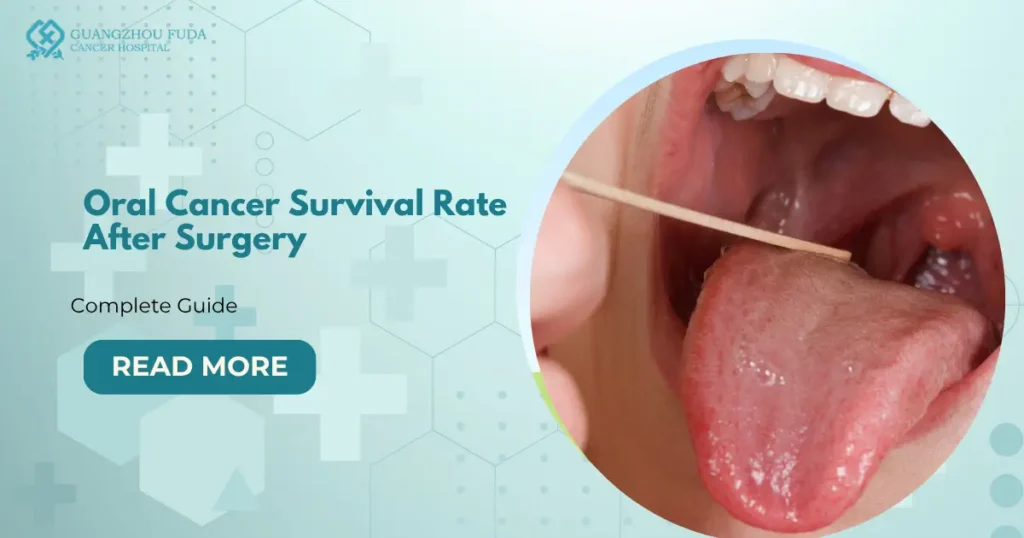
Being diagnosed with oral cancer can feel overwhelming, and one of the first questions many patients and families have is, “What are the chances of survival after surgery?” While every patient’s situation is different, understanding oral cancer survival rates can help people make informed decisions and feel more prepared for the treatment journey.
Awareness
Oral cancer affects different areas of the mouth, including the lips, tongue, gums, inner cheeks, and throat. The outcome after surgery depends on several factors, such as the stage at which cancer is diagnosed, the size and location of the tumor, and the overall health of the patient.
In general, oral cancer that is detected early has a much better chance of successful treatment compared to cancer diagnosed at later stages. This is why regular dental check-ups, awareness of symptoms, and early medical consultation are so important.
What Is the Oral Cancer Survival Rate After Surgery?
Awareness
The oral cancer survival rate after surgery refers to the percentage of people who continue to live for a certain period after undergoing surgical treatment. Survival rates are usually measured over a five-year period, but they can vary widely from person to person.
Surgery is one of the main treatment options for oral cancer, especially when the cancer is localized and has not spread to other parts of the body. Removing the cancerous tissue early can improve treatment outcomes and reduce the risk of further complications.
However, survival rates are not the same for everyone. Some patients may recover well after surgery, while others may require additional treatments such as radiation therapy or chemotherapy depending on their condition.
Oral Cancer Survival Rate and What Happens If It Is Left Untreated
Understanding Oral Cancer Survival Rate
Attention
A diagnosis of oral cancer can bring many questions and concerns, especially about treatment outcomes and survival chances. Knowing about the oral cancer survival rate can help patients and families better understand the condition and make informed decisions about treatment.
Awareness
The survival rate of oral cancer depends on several factors, including the stage at which cancer is diagnosed, the location of the tumor, overall health, and how well the cancer responds to treatment.
When oral cancer is found early, treatment is usually more effective, and patients often have better outcomes. However, if oral cancer is ignored or left untreated, it can continue to grow and may spread to nearby tissues or other parts of the body.
Survival statistics provide general information, but every patient’s journey is different. A healthcare professional can provide a more accurate understanding based on an individual’s specific condition.
Factors That Affect Oral Cancer Survival Rate
Explanation
Several factors can influence the oral cancer survival rate, including:
1. Stage of Cancer at Diagnosis
Early-stage oral cancer is usually easier to treat because the cancer is limited to a smaller area. Advanced-stage cancer may require more complex treatments.
2. Location of the Cancer
Oral cancer can develop in areas such as the:
- Tongue
- Lips
- Gums
- Inner cheeks
- Roof of the mouth
- Throat area
The location of the cancer can affect treatment options and recovery.
3. Treatment Approach
Treatment may include surgery, radiation therapy, chemotherapy, or a combination of these approaches. The treatment plan depends on the patient’s condition and cancer stage.
4. Overall Health
A patient’s general health, lifestyle habits, and ability to recover can also influence treatment outcomes.
What Is the 5-Year Survival Rate for Oral Cancer?
Explanation
The 5-year survival rate is a medical measurement that shows the percentage of people who are still alive five years after being diagnosed with cancer. Doctors use this information to understand treatment outcomes and help patients have a better idea of what to expect.
However, survival rates are based on groups of patients and cannot predict exactly what will happen for one individual. A person’s outcome depends on factors such as:
- Type of oral cancer
- Stage of cancer at diagnosis
- Tumor location and size
- Overall health
- Response to treatment
Early diagnosis and timely treatment can significantly improve the chances of successful outcomes.
5-Year Survival Rate of Different Types of Oral Cancer
Awareness
Different types of oral cancer can have different survival outcomes. Some types respond well to treatment, especially when diagnosed early.
1. Lymphoma
Oral lymphoma affects the lymphatic system and may occur in areas around the mouth and throat. Many lymphoma cases respond well to treatment, which may include chemotherapy, radiation therapy, or a combination of treatments.
The survival rate can vary depending on the type of lymphoma, cancer stage, and whether it has spread to other areas.
2. Salivary Gland Cancer
Salivary gland cancer can affect areas such as the cheeks, jaw, or neck. When detected early and treated properly, many patients have positive outcomes.
The survival rate depends on factors such as the cancer type, stage, and treatment response.
3. Sarcomas
Sarcomas are rare cancers that develop in connective tissues and can sometimes affect areas of the mouth.
Because sarcomas are less common and may behave differently from other oral cancers, outcomes can vary significantly depending on the patient’s age, cancer stage, and treatment approach.
4. Mucosal Melanoma
Mucosal melanoma can develop in areas such as the tongue, roof of the mouth, or inner cheek lining.
Early detection is important because treatment is often more effective when the cancer is identified before it spreads.
5. Squamous Cell Carcinoma
Squamous cell carcinoma is the most common type of oral cancer. It can develop in the mouth, tongue, lips, and other areas exposed to environmental factors.
The outcome depends heavily on how early it is diagnosed and whether the cancer has spread.
Why Early Detection Improves Survival Chances
Trust
Survival rates for oral cancer are closely linked to early detection. Regular dental check-ups and paying attention to unusual changes in your mouth can help identify possible problems sooner.
Seek medical advice if you notice:
- A mouth sore that does not heal
- Persistent pain or numbness
- Unusual lumps or thick patches
- Difficulty chewing or swallowing
- Unexplained bleeding
- Long-lasting changes in your mouth or voice
How to Take Care of Your Oral Hygiene?
Attention
Your mouth plays an important role in your overall health. Taking care of your teeth and gums is not only important for preventing cavities and infections, but it also helps you notice unusual changes that may need medical attention.
Good oral hygiene habits can support a healthier mouth and make it easier to identify early warning signs of oral health problems.
Simple Steps to Maintain Good Oral Hygiene
Awareness
Following a daily oral care routine can help keep your mouth clean and healthy. Some important habits include:
1. Brush Your Teeth Twice a Day
Brush your teeth every morning and before going to bed to remove food particles, plaque, and harmful bacteria.
2. Floss Regularly
Flossing once a day helps clean areas between teeth where a toothbrush may not reach.
3. Use Mouthwash
Using a suitable mouthwash after meals can help reduce bacteria and maintain fresh breath.
4. Stay Hydrated
Drinking enough water helps prevent dry mouth and supports natural cleaning of the mouth.
5. Rinse After Meals
Gargling or rinsing your mouth after eating can help remove leftover food particles and maintain better oral hygiene.
Why Regular Dental Check-Ups Matter
Trust
Taking care of your oral health is not only about brushing and flossing. Regular dental visits allow professionals to identify problems early, including unusual changes that may require further evaluation.
Early detection plays an important role in improving oral cancer treatment outcomes. If oral cancer is found at an early stage, treatment options are often more effective.
A dentist or cancer specialist can help monitor your oral health and recommend appropriate care if any concerns are found.
Why Early Action Matters in Oral Cancer
Attention
A small change in your mouth may seem harmless, but paying attention to unusual symptoms can make a big difference. Oral cancer is a serious condition, but when it is detected early and treated by experienced healthcare professionals, patients often have better treatment options and outcomes.
Awareness
Delaying medical attention for oral cancer symptoms can allow the disease to progress. Untreated oral cancer may affect important daily activities such as eating, speaking, and swallowing, and in advanced stages, it can impact overall health and quality of life.
Early consultation helps doctors identify the problem, confirm a diagnosis, and recommend the most suitable treatment approach.
You should speak with a healthcare professional if you notice:
- A mouth ulcer that does not heal
- Persistent pain in the mouth
- Unusual lumps or swelling
- Difficulty chewing or swallowing
- Changes in voice
- White or red patches inside the mouth
Expert Oral Cancer Care at FUDA Cancer Hospital
Early diagnosis and timely treatment play an important role in improving oral cancer outcomes. If you notice symptoms such as persistent mouth sores, unusual swelling, difficulty swallowing, or changes in your mouth, consulting an experienced cancer specialist can help you receive the right guidance at the right time.
At FUDA Cancer Hospital, patients receive specialized care for oral and tongue cancer with advanced diagnostic methods, personalized treatment planning, and a patient-focused approach. The hospital provides comprehensive solutions for different stages of oral cancer, helping patients understand their treatment options and make informed healthcare decisions.
FUDA Cancer Hospital focuses on advanced and minimally invasive approaches for oral cancer treatment, along with supportive care throughout the patient’s cancer journey. The treatment plan is customized based on factors such as cancer stage, tumor location, overall health, and individual patient needs.
If you are looking for expert guidance and advanced care options, learn more about oral and tongue cancer treatment in India at FUDA Cancer Hospital.
Why Choose FUDA Cancer Hospital for Oral Cancer Care?
- Advanced evaluation and diagnosis for oral and tongue cancer
- Personalized treatment plans based on each patient’s condition
- Experienced oncology specialists and a multidisciplinary care approach
- Focus on minimally invasive and advanced treatment techniques
- Patient support from diagnosis through recovery
Understanding the warning signs of oral cancer and seeking medical advice early can improve treatment possibilities. With expert care, timely diagnosis, and the right treatment approach, patients can take confident steps toward better health outcomes.
Conclusion: Take Action Early for Better Oral Health
Oral cancer is a serious condition, but early detection, timely treatment, and proper medical care can make a significant difference in outcomes. Understanding the warning signs, maintaining good oral hygiene, and attending regular check-ups can help identify problems at an early stage.
If you notice persistent mouth sores, unusual changes, pain, or any symptoms that do not improve, do not delay seeking professional advice. Early evaluation can help you get the right diagnosis and treatment plan at the right time.