What Happens If Stage 4 Pancreatic Cancer Is Not Treated With Chemotherapy?
A diagnosis of Stage 4 pancreatic cancer can bring many questions for patients and their families. One of the biggest concerns is what may happen if the patient decides not to have chemotherapy. Families may also worry about how much time is left, which symptoms may appear, and how they can keep their loved one comfortable.
Stage 4 pancreatic cancer can progress without chemotherapy, but the speed of progression is different for each person. Some patients may become weaker over a short period, while others may remain relatively stable for a time. There is no single timeline that applies to everyone.
The outlook depends on several factors, including how far the cancer has spread, the patient’s general health, how well important organs are working, and whether complications develop. A person’s condition at diagnosis can also affect what happens next.
Not having chemotherapy does not mean giving up all medical care. Patients can still receive help with pain, nausea, digestive problems, and other symptoms. Supportive and palliative care can help manage discomfort and improve quality of life.
This guide explains what Stage 4 pancreatic cancer means, what may happen when chemotherapy is not given, which symptoms families may notice, and how doctors can help manage the disease and its effects. It also explains why life expectancy cannot be predicted from the stage alone.
2. What Does Stage 4 Pancreatic Cancer Mean?
The pancreas is an organ in the abdomen, behind the stomach. It helps the body digest food and control blood sugar. Pancreatic cancer develops when cells in the pancreas begin to grow abnormally and form a tumor.
Stage 4 pancreatic cancer means the cancer has spread from the pancreas to distant parts of the body. This is also called metastatic pancreatic cancer. At this stage, treatment decisions often focus on controlling the cancer where possible, managing symptoms, and supporting the patient’s quality of life.
Where Can Stage 4 Pancreatic Cancer Spread?
Pancreatic cancer can spread to different parts of the body. Common sites include:
-
Liver: Cancer cells may spread to the liver and affect how it works.
-
Lungs: Cancer may form secondary tumors in the lungs.
-
Peritoneum: This is the thin lining inside the abdomen. Cancer spread here may sometimes cause fluid to collect in the abdomen, known as ascites.
-
Other distant sites: In some cases, cancer can spread to other organs or tissues.
The symptoms depend partly on where the cancer has spread. For example, liver involvement may contribute to jaundice or changes in liver function, while fluid in the abdomen may cause swelling and discomfort. Not every patient develops these problems.
What Is the Difference Between Stage 4 and Locally Advanced Pancreatic Cancer?
These terms describe different patterns of cancer spread.
Locally advanced pancreatic cancer has grown into nearby structures or major blood vessels but has not spread to distant organs. Surgery may not be possible in some cases, depending on the extent of the tumor.
Stage 4 pancreatic cancer has spread to distant parts of the body, such as the liver or lungs. This distant spread changes the treatment approach because removing only the original tumor would not treat all the cancer.
The distinction matters because locally advanced cancer and Stage 4 cancer may need different treatment plans.
How Is Stage 4 Pancreatic Cancer Diagnosed?
Doctors use several tests to understand whether pancreatic cancer has spread. These may include:
-
CT or MRI scans: Help show the tumor’s location and whether other areas may be affected.
-
Biopsy: A small tissue sample is examined to confirm the type of cancer. A biopsy is often needed to confirm the diagnosis, although the exact approach can vary.
-
Blood tests: Help assess general health and how well the liver and other organs are working.
-
Other tests, when needed: Additional imaging or laboratory tests may be recommended if the diagnosis or extent of spread is unclear.
Doctors review these findings alongside the patient’s symptoms and medical history. If you have already received a diagnosis, ask your specialist to explain where the cancer has spread and how those findings affect the available care options.
3. How Long Can Someone Live With Stage 4 Pancreatic Cancer Without Chemo?
One of the hardest questions after a Stage 4 pancreatic cancer diagnosis is how much time a person may have if they do not receive chemotherapy. Families often want a clear answer so they can plan care and spend time together.
There is no fixed life expectancy for Stage 4 pancreatic cancer without chemotherapy. Some patients may become weaker quickly, while others may remain stable for a period. The time can vary widely depending on the cancer and the person’s overall condition.
What Does Life Expectancy Mean?
Life expectancy refers to how long a person may live based on their health and medical condition. In cancer care, doctors may discuss survival statistics from groups of patients to explain the general outlook.
These figures cannot tell exactly how long one person will live. A statistic based on a group does not account for every detail of an individual patient’s health, cancer growth, or complications.
Why Does Survival Vary Without Chemotherapy?
Several factors can affect how Stage 4 pancreatic cancer progresses when chemotherapy is not given.
-
Cancer growth: Some tumors grow faster than others.
-
Where the cancer has spread: The organs affected and how well they continue to work can influence a person’s condition.
-
General health: A person’s strength, nutrition, and other medical conditions can affect their ability to cope with the disease.
-
Complications: Problems such as blocked bile ducts, infections, blood clots, or fluid build-up in the abdomen can affect health.
-
Symptom management: Timely medical care for pain, nausea, jaundice, and other problems can improve comfort and may help prevent some complications.
Not receiving chemotherapy does not mean that a patient must go without medical support. Doctors can still offer care to manage symptoms and help maintain quality of life.
Can Survival Statistics Predict an Individual’s Timeline?
No. Survival statistics describe what happened to groups of patients, often during a particular period and under specific treatment conditions. They may include people with different health conditions and treatment choices.
Statistics for all Stage 4 pancreatic cancer patients should not automatically be used to predict survival for someone who is not receiving chemotherapy. The person’s current health, cancer spread, and complications all matter.
If you are caring for someone with this diagnosis, ask their doctor what the current findings suggest and what changes to watch for. The doctor may not be able to give an exact timeline, but they can discuss the likely course based on the patient’s condition.
4. Stage 4 Pancreatic Cancer Timeline Without Chemo
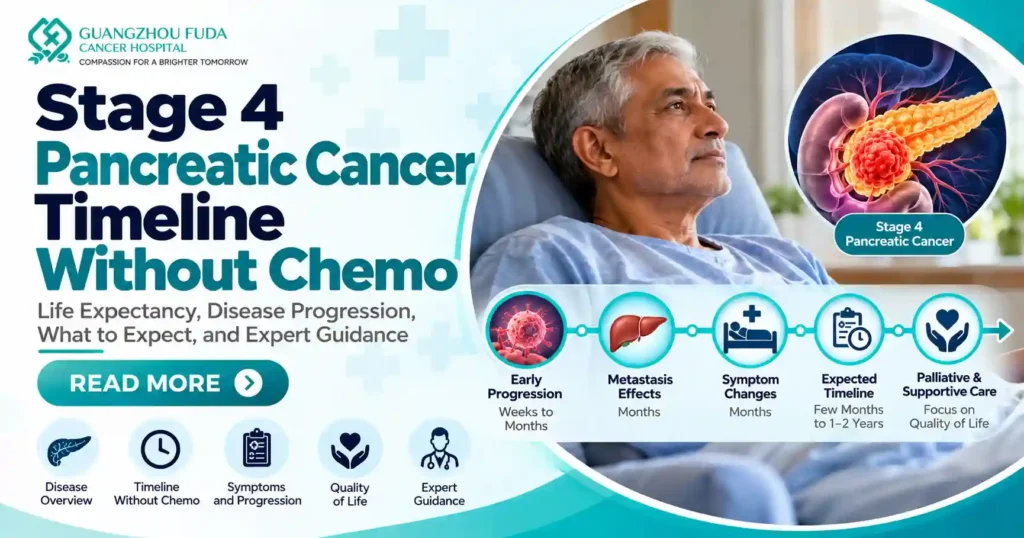
When chemotherapy is not given, Stage 4 pancreatic cancer may continue to grow and spread. However, there is no set timeline that every patient follows. Changes can happen over weeks or months, and the pattern differs from person to person.
The following phases describe changes that may occur. They are not a month-by-month prediction, and not every patient will experience all these symptoms.
4.1 Early Period After Diagnosis
At the time of diagnosis, some patients may still be able to walk, eat, talk with family, and manage many daily activities. Others may already feel quite unwell because the cancer has spread or caused complications.
Common symptoms during this period may include:
-
Pain in the upper abdomen or back.
-
Reduced appetite or feeling full after eating a small amount.
-
Unplanned weight loss.
-
Tiredness or reduced energy.
-
Digestive problems.
Some patients remain relatively stable for a time, especially when symptoms and complications are being managed. Feeling better for a while does not necessarily mean that the cancer has stopped growing.
4.2 As the Cancer Progresses
As Stage 4 pancreatic cancer develops, symptoms may become stronger or new problems may appear. The changes depend on the tumor’s growth and the areas of the body affected.
A patient may experience increasing pain, greater weakness, continued weight loss, or a further drop in appetite. If the cancer blocks the flow of bile from the liver, the skin and eyes may turn yellow. Some patients develop fluid build-up in the abdomen, which can cause swelling and discomfort.
Digestive problems may also become more difficult to manage. Some patients have trouble digesting food or may feel sick after eating.
Medical support can help relieve many of these symptoms. Doctors may prescribe pain relief, medicines for nausea, digestive enzymes when needed, or treatment for a blocked bile duct. The right care depends on the cause of each problem.
4.3 Advanced Disease and Increasing Care Needs
In advanced disease, some patients may need more help with everyday tasks. Walking around the home, preparing meals, bathing, or getting dressed may become difficult as weakness increases.
Eating and drinking can also become harder. Pain, nausea, tiredness, and loss of appetite may affect how much a person can manage. Some patients spend more time resting or sleeping and may need support throughout the day.
During this period, families can work with the medical team to plan care at home or in another suitable setting. This may include:
-
Adjusting pain medicines to improve comfort.
-
Managing nausea, constipation, and other symptoms.
-
Getting advice about food, fluids, and swallowing difficulties.
-
Arranging help with personal care and daily activities.
-
Discussing the patient’s wishes and care preferences.
These changes do not happen in the same order or at the same speed for everyone. If a person’s condition changes suddenly, contact their medical team rather than assuming it is simply part of cancer progression.
5. Symptoms of Stage 4 Pancreatic Cancer Without Chemotherapy
Stage 4 pancreatic cancer can cause symptoms because of the tumor in the pancreas and its spread to other parts of the body. Without chemotherapy, symptoms may worsen as the disease progresses, but their severity and timing vary.
Recognising changes early can help patients receive suitable care and avoid unnecessary discomfort.
Upper Abdominal Pain or Back Pain
Pain in the upper abdomen is a common symptom of pancreatic cancer. It may also spread to the back. Some people notice that the pain becomes worse after eating or when lying down.
Pain can have different causes, so tell the doctor where it occurs, how severe it is, and whether it changes over time. Prescribed pain medicines and other treatments may help. Patients should not wait until the pain becomes unbearable before asking for help.
Weight Loss and Loss of Appetite
A patient may lose weight without trying and feel less interested in food. Cancer can affect the body’s energy needs, while pain, nausea, and digestive problems can make eating harder.
Small meals, foods the patient can tolerate, and advice from a dietitian may help. In some cases, pancreatic enzyme medicines may be prescribed to improve digestion. Do not force food if eating causes distress; discuss the problem with the care team.
Fatigue and Weakness
Fatigue is more than ordinary tiredness. A person may feel exhausted even after resting and may have less energy for daily activities.
Cancer, poor nutrition, pain, sleep problems, and other medical conditions can all contribute. Gentle activity when possible, help with daily tasks, and treatment of the underlying cause may help manage fatigue.
Jaundice: Yellow Skin or Eyes
Jaundice occurs when a substance called bilirubin builds up in the blood. Pancreatic cancer can sometimes block the flow of bile, causing the skin or whites of the eyes to turn yellow.
Other signs may include dark urine, pale stools, or itchy skin. New jaundice needs prompt medical assessment. A doctor may recommend a procedure, such as placing a small tube called a stent, to help bile drain when a blockage is present and treatment is appropriate.
Nausea, Vomiting, and Digestive Problems
Patients may experience nausea, vomiting, bloating, constipation, diarrhoea, or difficulty digesting food. These symptoms can be caused by the cancer, medicines, or other conditions.
The doctor may recommend medicines, changes to the diet, or pancreatic enzymes if digestion is affected by a lack of these substances. Repeated vomiting or being unable to keep fluids down needs urgent medical advice because dehydration can develop.
Ascites: Fluid Build-Up in the Abdomen
Some patients develop ascites, which means fluid collects inside the abdomen. The belly may become swollen or tight, and the patient may feel full quickly, uncomfortable, or short of breath.
A doctor can assess the cause and discuss ways to relieve the discomfort. In selected cases, a procedure may be used to drain the extra fluid.
Blood Clots and Other Warning Signs
Pancreatic cancer can increase the risk of blood clots. Warning signs may include new swelling or pain in one leg. A clot that travels to the lungs may cause sudden breathlessness, chest pain, or coughing up blood.
Seek emergency medical care for sudden breathing difficulty, chest pain, fainting, or severe confusion. Contact the medical team promptly for new or worsening pain, jaundice, persistent vomiting, fever, or a noticeable decline in the patient’s condition.
The key point: Chemotherapy is not the only form of medical care available. Even when a patient chooses not to receive it, a doctor can help manage symptoms, treat certain complications, and support the patient and family through the illness.
6. What Factors Affect the Stage 4 Pancreatic Cancer Timeline Without Chemo?
There is no single timeline for Stage 4 pancreatic cancer without chemotherapy. Some patients become weaker quickly, while others remain stable for a period. Several factors can affect how the disease progresses and how much support a person may need.
How Far Has the Cancer Spread?
The cancer may spread to the liver, lungs, the lining of the abdomen, or other distant areas. The organs affected and how well they are working can influence a patient’s health. For example, problems involving the liver may cause jaundice or other complications.
Tumor Growth and Cancer Characteristics
Pancreatic tumors can behave differently. Some grow and spread faster than others. The type of cancer cells and certain features found through testing may help doctors understand how the disease could behave, although they cannot predict an exact timeline for an individual.
Age and General Health
Age alone does not determine how long someone may live. A person’s overall fitness, existing medical conditions, and ability to manage daily activities are also important.
Someone who is already very weak may need more support than a person who remains physically active. However, even a patient who feels relatively well can experience changes as the disease progresses.
Nutrition, Weight Loss, and Physical Strength
Pancreatic cancer can affect appetite, digestion, and the body’s ability to maintain weight. Ongoing weight loss and poor nutrition may lead to greater weakness and make daily activities harder.
If eating becomes difficult or weight continues to fall, ask the care team about nutrition support. In some patients, prescribed pancreatic enzyme medicines can help the body digest food more effectively.
Liver Function and Other Organ Problems
The liver and other organs play important roles in keeping the body working properly. Cancer spread, a blocked bile duct, dehydration, or other complications can affect organ function.
Doctors may use blood tests, scans, and physical examinations to check for these problems. Treating a complication may improve symptoms, even when chemotherapy is not being given.
Other Medical Conditions and Complications
Conditions such as diabetes, infections, jaundice, or blood clots can affect a patient’s health. Some complications need prompt treatment and may cause a sudden change in how the person feels.
Tell the medical team about new symptoms rather than assuming they are all caused by cancer progression. Some problems can be treated or relieved.
Symptom Management and Supportive Care
Good symptom management can make a meaningful difference to comfort and daily life. Pain relief, nausea control, help with digestion, and support with eating and drinking can reduce distress.
These measures do not necessarily slow the cancer itself, but they can help patients feel more comfortable and may prevent some complications. The care plan should be reviewed as the patient’s needs change.
7. What Happens If Someone Chooses Not to Have Chemotherapy?
Not every patient with Stage 4 pancreatic cancer chooses chemotherapy. Some worry about side effects, while others may have health problems that make treatment difficult. Some patients decide that the possible benefits do not match their personal goals or the kind of care they want.
The decision should be made after discussing the expected benefits, risks, and alternatives with an oncology team.
Why Might a Patient Decline Chemotherapy?
Common reasons include:
-
Concern about side effects such as fatigue, nausea, or infections.
-
Other medical conditions or poor physical strength.
-
A wish to focus on comfort and time with family.
-
Concerns about travel, treatment schedules, or costs.
-
A belief that the expected benefit may be limited in their particular situation.
These concerns deserve a careful discussion. The doctor can explain what chemotherapy may realistically achieve and whether adjustments or other options are available.
What Happens to the Cancer Without Chemotherapy?
Without chemotherapy, Stage 4 pancreatic cancer may continue to grow and spread. Symptoms may become worse over time, but the speed and pattern of change differ from person to person.
Some patients may remain stable for a period, while others may develop increasing pain, weight loss, jaundice, or other complications. It is not possible to predict the exact course from the stage alone.
Cancer-Control Treatment and Comfort-Focused Care
These approaches have different goals.
Cancer-control treatment aims to slow the cancer, shrink tumors, or otherwise limit the disease. Depending on the case, treatment options may include chemotherapy or other specialist-recommended approaches.
Comfort-focused care aims to relieve symptoms and help the patient maintain the best possible quality of life. It may include pain relief, treatment for nausea, nutritional support, and help with emotional or practical needs.
The two approaches are not always separate. Supportive and palliative care can be provided alongside cancer treatment or on its own.
Does Declining Chemotherapy Mean Stopping All Medical Care?
No. A patient who does not want chemotherapy can still receive medical help. Doctors can treat pain, manage digestive problems, assess jaundice, and provide support for other symptoms.
Patients should also be able to revisit their decision if their wishes or health circumstances change. A conversation with the oncology team can help clarify what care remains available.
Should You Discuss Other Options or Get a Second Opinion?
If you are unsure about chemotherapy, ask your doctor to explain the expected benefit in your specific case, the likely side effects, and what may happen without treatment. You can also ask whether any other cancer-directed treatments are appropriate.
A second opinion may help you understand the diagnosis and available choices. If the cancer is causing urgent problems, such as jaundice or severe pain, seek medical advice promptly rather than delaying care while arranging another consultation.
8. Can Stage 4 Pancreatic Cancer Be Managed Without Chemotherapy?
Yes. Even when chemotherapy is not being given, doctors can often help manage symptoms and certain complications of Stage 4 pancreatic cancer. The aim may be to reduce discomfort, support eating and daily activities, and help patients and families plan care.
However, symptom management is not generally a substitute for chemotherapy when the goal is to slow the cancer’s growth. Supportive treatments can improve comfort and address specific problems, but they do not usually control the spread of pancreatic cancer itself.
Pain Relief and Symptom Control
Pain may come from the tumor or its effect on nearby nerves and tissues. Doctors can recommend pain medicines and adjust them as needs change. Other treatments or procedures may be considered for selected patients.
Patients should tell their care team if pain is not controlled, medicines cause difficult side effects, or pain suddenly becomes worse. There is no need to wait until the pain is severe to ask for help.
A Stent for a Blocked Bile Duct
Pancreatic cancer can sometimes block the tube that carries bile from the liver. This may cause yellow skin or eyes, dark urine, pale stools, and itching.
When a blockage is present, doctors may place a small tube called a stent to help bile flow. This procedure can relieve symptoms in suitable patients, but it does not remove the pancreatic cancer or stop its spread throughout the body.
New jaundice should be assessed promptly, as a blockage or related infection may need urgent care.
Digestive Enzymes When Needed
The pancreas produces enzymes that help digest food. If it does not make enough of them, a patient may experience bloating, loose or greasy stools, and weight loss.
A doctor may prescribe pancreatic enzyme replacement medicines to help the body digest food. These medicines are not needed by everyone, so the decision should be based on symptoms and medical assessment.
Managing Nausea, Constipation, and Other Symptoms
Nausea, vomiting, constipation, and changes in bowel habits can make daily life difficult. The cause may be the cancer, medicines, dehydration, or another medical problem.
Doctors can recommend suitable medicines and other measures based on the cause. Persistent vomiting, severe abdominal pain, or being unable to keep fluids down needs prompt medical attention.
Nutrition and Hydration Support
Eating enough can be difficult when appetite is low or digestion is affected. Small meals and foods that the patient can tolerate may be easier than large meals. A dietitian can help plan suitable nutrition based on the patient’s needs and preferences.
Encourage fluids if the patient can drink safely, but do not force food or drink when swallowing is difficult or the person is distressed. Ask the medical team for advice if the patient is eating or drinking very little, losing weight quickly, or showing signs of dehydration.
Palliative Care for Comfort and Quality of Life
Palliative care focuses on reducing pain and other symptoms while supporting the patient and family. It can include medical treatment, emotional support, help with practical decisions, and planning for care at home.
It is not limited to the final days of life. Palliative care can begin at any stage when symptoms or emotional needs require extra support, whether or not the patient receives chemotherapy.
The care plan should reflect the patient’s wishes and change as their needs change. The medical team can explain which services are available and how to arrange them.
7. What Happens If Someone Chooses Not to Have Chemotherapy?
Not every person with Stage 4 pancreatic cancer chooses chemotherapy. Some patients worry about side effects, while others may be too unwell for certain treatments. Some decide that they would rather focus on comfort and time with family than undergo treatment that may be difficult for them.
The decision is personal, but it should be made after discussing the likely benefits, risks, and other options with a cancer specialist.
Why Might Someone Decide Against Chemotherapy?
There can be several reasons for not having chemotherapy:
-
Concern about side effects such as nausea, tiredness, or infections.
-
Other health problems that may make treatment harder to tolerate.
-
A poor general condition or significant weakness.
-
A belief that the expected benefit may not match the patient’s goals.
-
A personal choice to focus on comfort and quality of life.
These concerns are worth discussing openly with the doctor. Depending on the patient’s condition, the medical team may explain whether a different treatment schedule or another approach could be considered.
What Happens to the Cancer Without Chemotherapy?
Stage 4 pancreatic cancer may continue to grow and spread if chemotherapy is not given. Over time, some patients develop more pain, loss of appetite, weight loss, jaundice, or increasing weakness. Others may remain stable for a period before their condition changes.
There is no reliable way to predict the exact timeline for an individual patient. The cancer’s behaviour, the organs affected, and the patient’s overall health all play a role.
Cancer-Control Treatment vs Comfort-Focused Care
Cancer-control treatment aims to slow the cancer’s growth, shrink tumors, or otherwise control the disease. Chemotherapy is one option, but the medical team may discuss other approaches in selected cases, depending on the cancer and the patient’s condition.
Comfort-focused care has a different goal. It aims to relieve pain, nausea, digestive problems, anxiety, and other symptoms while supporting daily life.
These approaches are not always separate. A patient can receive palliative care while also receiving cancer treatment. If chemotherapy is declined, symptom relief and supportive care can still continue.
Does Declining Chemotherapy Mean Stopping All Medical Care?
No. Patients can still receive treatment for symptoms and complications even if they decide against chemotherapy. This may include pain relief, medicines for nausea, treatment for a blocked bile duct, and nutritional support when appropriate.
Patients can also discuss their decision again if their circumstances or preferences change. The care team should explain what help remains available and how to access it.
Should You Consider Other Options or a Second Opinion?
If you are unsure whether chemotherapy is right for you, ask your doctor:
-
What benefit might chemotherapy offer in my situation?
-
What side effects should I expect?
-
What may happen if I do not have chemotherapy?
-
Are any other cancer-directed treatments suitable for me?
-
How can my symptoms be managed if I choose not to have chemotherapy?
A second opinion may help you understand your diagnosis and available choices. If you have severe pain, new jaundice, fever, or another urgent symptom, seek medical advice promptly rather than delaying care.
8. Can Stage 4 Pancreatic Cancer Be Managed Without Chemotherapy?
Yes. Many symptoms and complications of Stage 4 pancreatic cancer can be managed without chemotherapy. The aim is to reduce discomfort, support eating and daily activities, and help patients maintain the best possible quality of life.
However, supportive treatments do not usually control cancer spread in the same way as cancer-directed treatment. They can relieve symptoms and treat specific problems, but they are not generally a replacement for chemotherapy when the goal is to slow the cancer.
Pain Medicines and Symptom Relief
Pain may occur when the tumor affects nearby nerves or tissues. Doctors can prescribe pain medicines and adjust them according to the patient’s needs. Other treatments may be considered if medicines alone do not provide enough relief.
Tell the care team if pain is getting worse, medicines are causing difficult side effects, or the patient cannot rest comfortably. Pain should be assessed and treated rather than simply endured.
A Stent for a Blocked Bile Duct
Pancreatic cancer can block the tube that carries bile from the liver. This may cause yellowing of the skin or eyes, dark urine, pale stools, or itchy skin.
When a blockage is present, doctors may place a small tube called a stent to help bile flow. This can relieve symptoms in suitable patients, but it does not remove the cancer or stop it from spreading.
New jaundice needs prompt medical assessment because a blockage or related infection may require urgent treatment.
Digestive Enzyme Support
The pancreas makes enzymes that help the body break down food. If it does not produce enough, a person may have bloating, loose or greasy stools, and difficulty maintaining weight.
A doctor may prescribe pancreatic enzyme replacement medicines to help digestion. These medicines should be taken as directed and are useful when the patient has a deficiency or another medical reason to use them.
Managing Nausea, Constipation, and Other Symptoms
Nausea, vomiting, constipation, and changes in bowel habits can make daily life difficult. These symptoms may be caused by the cancer, medicines, dehydration, or another condition.
Doctors can recommend medicines or other measures depending on the cause. Persistent vomiting, severe abdominal pain, or an inability to keep fluids down needs prompt medical attention.
Nutrition and Hydration Support
Eating can become difficult when appetite is low, digestion is poor, or pain increases after meals. Smaller meals and foods the patient can tolerate may be easier than large meals. A dietitian can help plan food choices based on the patient’s needs.
If the patient is drinking very little, losing weight quickly, or showing signs of dehydration, contact the medical team. Do not force food or fluids if swallowing is difficult or the patient is distressed.
Palliative Care for Comfort and Quality of Life
Palliative care focuses on relieving symptoms and supporting the patient’s physical, emotional, and practical needs. It can include pain management, help with anxiety, nutrition advice, and support for family members.
Palliative care can begin while a patient is still receiving cancer treatment. It is not only for the final days of life. For patients who do not want further cancer-directed treatment, it can become a central part of their care plan.
9. What Is the Difference Between Palliative Care and Hospice Care?
Palliative care and hospice care both aim to reduce suffering and support patients and families, but they are not exactly the same.
What Is Palliative Care?
Palliative care helps manage symptoms and improve quality of life for people with serious illnesses. For someone with Stage 4 pancreatic cancer, it may include:
-
Relief from pain, nausea, and digestive problems.
-
Help with anxiety, sleep, and emotional stress.
-
Support with appetite, nutrition, and daily activities.
-
Guidance for family members and caregivers.
-
Planning for care at home or in a hospital.
Palliative care can be provided alongside chemotherapy or other cancer treatments. Patients do not need to wait until treatment has stopped before asking for this support.
What Is Hospice or End-of-Life Care?
Hospice or end-of-life care focuses on comfort when a person is approaching the end of life and the main goal is no longer to control the disease with treatments intended to prolong life. The exact eligibility rules and services vary by location and care provider.
This care may include pain relief, nursing support, emotional and spiritual care when wanted, and practical help for family members. It may be provided at home or in a care facility, depending on what is available.
When Should Families Arrange This Care?
It is reasonable to ask about palliative care as soon as symptoms or emotional needs become difficult to manage. There is no need to wait until the patient is very unwell.
Hospice or end-of-life support can be discussed when the cancer is progressing and the patient wants to focus mainly on comfort. The treating doctor can explain the available services and help the family plan ahead.
Both types of care can support patients with dignity and respect for their wishes.
10. Signs That Stage 4 Pancreatic Cancer May Be Progressing
As Stage 4 pancreatic cancer progresses, a patient’s symptoms and care needs may change. Some changes develop gradually, while others can appear suddenly because of a complication.
These signs do not always mean the cancer itself is growing. Infection, dehydration, medication side effects, or a blocked bile duct can also cause changes and may need treatment.
Increasing Pain or Weakness
Pain may become more frequent or harder to control. A patient may also feel weaker and need more help walking or completing everyday tasks.
Tell the doctor if pain medicines are no longer helping, pain suddenly becomes severe, or weakness increases quickly.
Continued Loss of Appetite and Weight
The patient may eat less, feel full after small meals, or continue losing weight. Reduced food and fluid intake can add to weakness and dehydration.
Ask the care team about nutrition support and ways to manage nausea, pain, or digestive problems that make eating difficult.
More Sleeping or Difficulty With Daily Activities
Some patients spend more time resting and have less energy for conversations, personal care, or other activities. This can happen as the illness advances, but it may also be linked to medicines, infection, dehydration, or other treatable problems.
A sudden change in alertness or behaviour needs prompt medical assessment.
Abdominal Swelling or Worsening Jaundice
A swollen abdomen may indicate fluid build-up, while yellow skin or eyes can be a sign of a bile duct blockage or liver problems.
Contact the medical team promptly if either symptom appears or worsens. New jaundice should not be left until the next routine appointment.
Confusion, Dehydration, or Reduced Intake
Confusion, very little urine, dizziness, dry mouth, or an inability to drink enough may indicate dehydration or another serious problem.
Seek urgent medical advice if the patient becomes newly confused, cannot keep fluids down, or has a marked decline in their condition. Do not assume these changes are an unavoidable part of cancer progression.
When Is Emergency Care Needed?
Get emergency medical help for severe breathing difficulty, chest pain, fainting, sudden confusion, uncontrolled severe pain, or signs of a serious blood clot. Fever, repeated vomiting, new jaundice, or inability to drink also needs prompt medical assessment.
Keeping a record of new symptoms, medicines, food and fluid intake, and changes in daily activity can help the care team assess what is happening.
11. How Can Families Support Someone With Stage 4 Pancreatic Cancer?
Family support can make daily life easier for someone living with Stage 4 pancreatic cancer. The goal is to help the person feel safe, comfortable, and involved in decisions about their care.
Understand the Patient’s Wishes
Ask the patient what matters most to them and what kind of help they want. Some people prefer to remain active when possible, while others may want more rest or time with family.
Discuss care goals openly and respect the patient’s choices whenever they are able to make decisions. Avoid pressuring them to eat, move, or accept treatment against their wishes.
Make Eating and Drinking Easier
Offer small portions of foods the patient enjoys and can tolerate. If digestion is a problem, follow the advice of the doctor or dietitian. If pancreatic enzymes or other medicines have been prescribed, help the patient take them as directed.
If the patient is struggling to drink, has repeated vomiting, or is losing weight quickly, ask the medical team for advice rather than trying to solve the problem alone.
Keep Track of Pain and Other Symptoms
A simple daily record can help families notice changes. Write down when pain occurs, whether medicines help, how much the patient is eating and drinking, and any new symptoms.
Share this information with the care team. If symptoms suddenly become severe, seek medical help instead of waiting to complete the record.
Organise Medicines and Appointments
Keep a current list of medicines, doses, and schedules. Use reminders or a written chart if several medicines are needed. Do not change doses or stop prescribed medicines without medical advice.
Keep important reports, appointment details, and emergency contact numbers in one place so they are easy to find.
Arrange Help at Home and Emotional Support
As the patient’s needs change, family members may need help with bathing, moving around, meals, or other daily tasks. Ask the care team about home nursing, palliative care, or other support services that may be available.
Caregiving can also be emotionally tiring. Share responsibilities where possible, take breaks, and speak with a healthcare professional or counsellor if stress becomes difficult to manage.
Make an Emergency Plan With the Doctor
Ask whom to contact during the day and at night if symptoms worsen. Find out which changes need an urgent call and which require emergency care.
A clear plan can reduce uncertainty during difficult moments and help the patient receive the right support without unnecessary delay.
12. When Should You Speak to an Oncologist or Get a Second Opinion?
If you or a family member has Stage 4 pancreatic cancer and is unsure about chemotherapy, speaking with an oncologist can help clarify the available choices. You do not have to make the decision based on fear or incomplete information.
Understand the Benefits and Risks of Chemotherapy
Ask the doctor what chemotherapy may achieve in your particular case. It may help slow cancer growth or ease some cancer-related problems, but the likely benefit and side effects vary from person to person.
It is also reasonable to ask what may happen if chemotherapy is not given. The doctor can explain the expected course of the disease based on the patient’s condition, while recognising that no one can predict an exact timeline.
Explore Other Treatment Options
Depending on the cancer and the patient’s health, the specialist may discuss other cancer-directed treatments or whether a clinical trial is appropriate. Not every option is suitable for every patient, and some treatments may offer limited benefit in certain situations.
Ask about the purpose of each option, its possible risks, and whether it is intended to control the cancer or mainly relieve symptoms.
Get Your Reports Reviewed
A second opinion may include reviewing the biopsy report, CT or MRI scans, blood tests, and details of previous treatment. Bring the actual scan images when available, not only the written reports.
The specialist may agree with the current plan, suggest another option, or request further tests if important information is missing.
Discuss Palliative Care and Symptom Relief
Even if you decide against chemotherapy, ask how pain, nausea, jaundice, appetite loss, and other symptoms can be managed. Palliative care can support the patient and family alongside cancer treatment or when the focus is mainly on comfort.
If symptoms are worsening, seek medical advice promptly rather than waiting for a second-opinion appointment.
13. How Fuda Cancer Hospital Can Help Patients
Patients and families dealing with Stage 4 pancreatic cancer may need help understanding medical reports, treatment choices, and the next steps. Fuda Cancer Hospital’s main hospital is in Guangzhou, China. Patients in India can ask about consultation and patient-support arrangements through Rekosh Healthcare.
Medical Report Review
Patients can ask about having their available medical records reviewed, including biopsy reports, scan results, blood tests, and details of previous treatment. These records can help the medical team understand the diagnosis and identify questions that need further assessment.
A report review may not be enough to make a final treatment recommendation. Additional tests or an in-person examination may be needed, depending on the case.
Oncology Consultation and Second Opinion
A consultation can help patients discuss chemotherapy, possible alternatives, symptom management, and the expected goals of care. Patients can also ask about the likely benefits and limitations of different approaches.
If you are considering a second opinion, prepare your reports and a list of questions about treatment, side effects, costs, and follow-up.
Treatment Planning and Care Coordination
For patients considering treatment at Fuda’s Guangzhou hospital, the team can explain the consultation process and the next steps, where applicable. Whether travelling for treatment is suitable depends on the patient’s health, medical needs, available options, and personal preferences.
Before making travel plans, confirm the proposed treatment, expected costs, possible risks, and how follow-up care will be arranged after returning to India.
Support for Symptoms and Ongoing Care
Patients who are not receiving chemotherapy still need access to appropriate medical care. Ask the treating team about pain relief, nutrition, digestive problems, palliative care, and help managing other symptoms.
For consultation information, visit the Fuda Hospital contact page or learn more about its second-opinion service.
11. How Can Families Support Someone With Stage 4 Pancreatic Cancer?
Supporting someone with Stage 4 pancreatic cancer involves more than helping with medical care. Small acts of kindness, practical help, and honest conversations can make daily life easier for both the patient and their family.
-
Respect the patient’s wishes: Talk openly about their care goals, comfort, and preferences. Include them in decisions whenever possible.
-
Offer small, manageable meals: Some patients find it easier to eat small portions throughout the day. Follow the doctor’s advice on nutrition and prescribed supplements, especially if appetite or digestion is affected.
-
Keep track of symptoms: Record changes in pain, nausea, jaundice, appetite, bowel habits, or energy levels. Share these details with the healthcare team.
-
Help manage medicines and appointments: Keep a clear medication schedule, note upcoming appointments, and maintain an organised file of medical reports and prescriptions.
-
Arrange home and emotional support: Help with daily tasks, provide company, and ask whether the patient would like support from a counsellor, palliative care team, or trained caregiver.
-
Know when to seek help: Ask the treating team for emergency contact details and a clear plan for symptoms that need urgent attention.
Family caregivers also need support. Sharing responsibilities, taking breaks, and asking others for help can reduce stress and make it easier to care for a loved one over time.
14. Frequently Asked Questions (FAQs)
1. How long can someone live with Stage 4 pancreatic cancer without chemotherapy?
There is no single timeline for everyone. Life expectancy depends on factors such as the extent of cancer spread, overall health, nutrition, tumour behaviour, and the complications a person develops. Published survival statistics cannot predict exactly how long one person will live. An oncologist can provide a more individualised estimate after reviewing the patient’s condition and reports.
2. Does Stage 4 pancreatic cancer always progress quickly?
Stage 4 pancreatic cancer is an advanced disease, and it can progress quickly. However, the pace varies between patients. Some experience changes over a short period, while others remain relatively stable for a time. Symptoms, scan results, blood tests, and overall health help the medical team assess how the disease is changing.
3. What happens in the final stages of pancreatic cancer?
In the final stages, a person may become weaker, sleep more, eat and drink less, and need increasing help with daily activities. Pain, nausea, jaundice, abdominal swelling, or confusion may also occur. Not everyone experiences the same symptoms. The palliative care team can help manage discomfort and guide families through changes as the illness advances.
4. Can Stage 4 pancreatic cancer be managed without chemotherapy?
Yes. Care without chemotherapy can focus on controlling symptoms, treating complications, and maintaining comfort and quality of life. Depending on the patient’s needs, care may include pain relief, medicines for nausea, treatment for a blocked bile duct, pancreatic enzyme replacement, nutritional support, and palliative care. These measures can help with symptoms but do not usually control the cancer in the same way as cancer-directed treatment.
5. What are the symptoms of pancreatic cancer progression?
Possible signs include worsening abdominal or back pain, increasing weakness, loss of appetite, further weight loss, jaundice, abdominal swelling, and changes in digestion. These symptoms do not always mean the cancer has progressed; some may be caused by treatable complications. New or worsening symptoms should be discussed with the healthcare team.
6. Can someone feel well for a time with Stage 4 pancreatic cancer?
Yes. Some people feel reasonably well for a period after diagnosis, even when the cancer has spread. Symptoms and energy levels can vary, and feeling well does not necessarily mean the cancer has stopped growing. Regular medical follow-up can help identify changes and address problems early.
7. Does palliative care mean stopping all cancer treatment?
No. Palliative care focuses on relieving symptoms, reducing distress, and supporting the patient and family. It can be provided alongside chemotherapy or other cancer treatments. If a patient decides against chemotherapy, palliative care can still provide active medical support focused on comfort and quality of life.
8. How can pain be managed without chemotherapy?
Pain may be treated with prescribed pain medicines, including opioids when appropriate. Depending on the cause of pain, doctors may also consider nerve blocks or other procedures. The right approach depends on the patient’s symptoms, other medical conditions, and current medicines. Patients should not change or stop prescribed pain medication without discussing it with their care team.
9. When should a family contact the doctor urgently?
Seek urgent medical advice for new or severe pain, persistent vomiting, inability to keep fluids down, fever, worsening jaundice, or a sudden decline in the patient’s condition. Severe breathing difficulty, new confusion, fainting, heavy bleeding, or sudden chest pain require emergency assessment. Ask the treating team for patient-specific warning signs and emergency contact details.
10. Should I get a second opinion before refusing chemotherapy?
A second opinion can help you understand the likely benefits, risks, and limitations of chemotherapy, along with any other suitable options. It can also clarify what care may be available if the patient chooses not to have chemotherapy. Bring scan reports, biopsy results, blood tests, and the current treatment plan to the consultation. The final decision should reflect the patient’s wishes, health, and goals of care.