
Liver cancer Treatment in India
_____________________________

Schedule Consultation
Thank You!
Your enquiry has been submitted successfully.
We will contact you shortly.
The Function of the Liver and Complications Associated with Liver Cancer
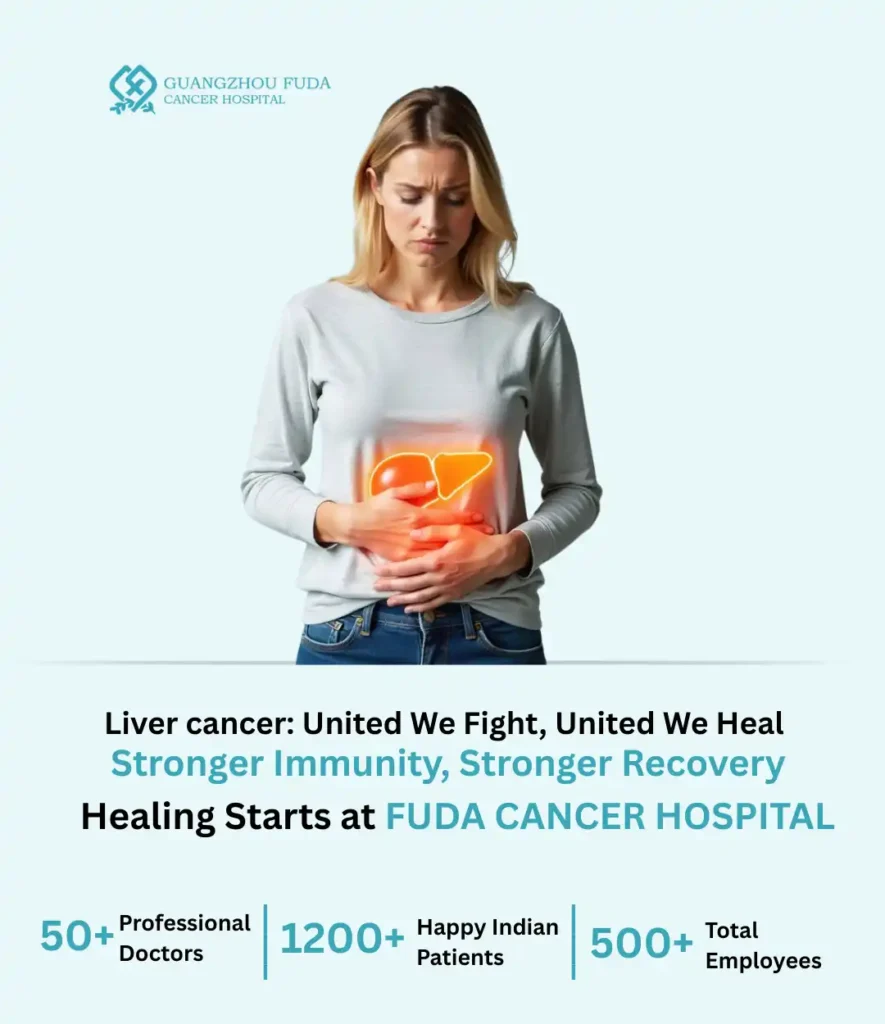
The liver is one of the body’s largest internal organs and performs over five hundred crucial tasks for our wellbeing. From filtering toxins out, producing bile to aid digestion and store energy efficiently; to regulating cholesterol and hormone levels in addition to blood clotting mechanisms – any disease affecting this vital organ could prove devastatingly hazardous for one’s wellbeing. It can lead to loss of significant reserves that the human body depends on; cancer of the liver leads to dysfunction, which causes immense complications such as liver failure, disorders of bleeding, and other degenerative metabolic disorders.
Liver Cancer Causes
Liver cancer starts developing in the tissues of this crucial organ. According to many researchers and doctors worldwide, it happens when there is a genetic mutation causing normal liver cells to change tendentiously into neoplastic tumours. Although not often diagnosed across populations in most countries, it still poses a risk for early deaths alongside other chronic illnesses. It therefore qualifies together with heart diseases, diabetes, both being highly fatal without aid or caring attention. The key understanding working towards raising awareness using education – knowing what causes this problem, which could easily isolate structures like hepatitis, is simple enough, while other steps helping monitor progression lead treatment put to make – lose chances greatly helps resolving iss run almost no longer get stifled smart daily showered public raisers helped solve.
Categories Associated With Primary And Secondary Liver Tumours
Comprehensively regarded under two distinct folds are primary, whereas secondary fill formations are tackled quite succinctly:
- Primary Liver Cancer: Primary liver cancer occurs directly within the liver itself and most commonly arises as Hepatocellular Carcinoma, or HCC, from liver cells known as hepatocytes, although Intrahepatic Cholangiocarcinoma and angiosarcoma – rare forms that arise in blood vessels – also exist.
- Secondary or Metastatic Liver Cancer: Cancers that originate elsewhere such as colon, breast or lung can spread metastatically to invade and eventually infiltrate into the liver. Secondary liver cancer forms more frequently than primary liver cancer in the context of already having concurrent illnesses elsewhere in the body.
About the causes and factors of these diseases:
Chronic damage and inflammation of the liver typically give rise to liver cancer over time. Most prevalent drivers can be listed as follows:
Liver Cancer Symptoms
One key difficulty with liver cancer is that neoplastic changes often appear asymptomatic for prolonged periods.
- Abdominal discomfort
- Unanticipated weight reduction
- Extreme tiredness and muscle weakness
- Decreased appetite
- Jaundice (skin and eye yellowing)
- Nausea and emesis
- Urine darkening and stool lightening
- Lower limb swelling (oedema) or ascitic fluid accumulation in the abdomen
The symptoms generally observed after the onset of significant progression pose a challenge to early intervention, but it is urgent.
Diagnosis of Liver Cancer
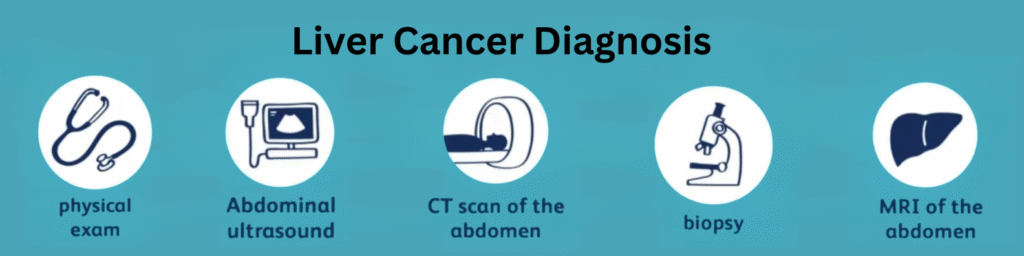
Assessment includes a medical history review, physical assessment, imaging studies, lab work, and evaluations, which comprise:
- Specific Blood Tests: These include both a comprehensive metabolic panel as well as testing for elevated AFP levels – often found in liver tumors – within blood samples taken for test.
- Imaging Studies: Ultrasound scans, CT scans and MRI can all assist in the detection and localization process.
- Hepatic Biopsy: A microscope examination is done following tissue sample extraction to confirm the malignancy type.
- Staging: Selection of appropriate treatment requires the assessment of the cancer’s extent. This may involve X-ray imaging of the chest and bone scans to evaluate whether metastasis has occurred.
Is Liver Cancer Curable?
Let’s address the most significant issues point by point as outlined below:
- Diagnosis type: The management of a few types of liver cancer is easier comparatively such as hepatocellular carcinoma (HCC) compared to cases where it has metastasised from other organs.
- Stage of diagnosis: Liver cancer, just like any other cancer, is easier to manage if it is in its early stages. If diagnosed during the later stages, however, the prognosis is more difficult to navigate.
- Type of treatment: Treating cancers like liver cancer is more effective if done immediately after diagnosis. With the right choice of treatment protocol, if treatment is delayed, there is increased difficulty in navigating the disease.
- Proper treatment method: Treatment is more effective if specific to the case, tailored around the latest treatments, such as advanced therapies mentioned below.
Liver Cancer Treatment
The presence of liver cancer is treated based on its type, size, location, stage, and also taking into account the patient’s general health. The main treatment options include: A. Traditional Treatments and B. Advanced and Alternative Treatments for Liver Cancer.
A. Traditional Treatment for Liver Cancer
1. Surgical Procedures
Liver Resection: In the case of a tumour that can be surgically removed along with a segment of liver tissue, and assuming the remaining liver is sufficiently healthy, then resection will be performed.
Liver Transplantation: This procedure is suitable for certain patients presenting with early-stage HCC and significant cirrhosis or hepatic impairment. This also involves the orthotopic replacement of the organ.
2. External Beam Radiation Therapy
External beam radiation therapy was invented in the 1890s using machines such as linear accelerators to direct radiation beams at cancerous regions of a body.
It utilizes high-energy radiation waves that may help shrink cancer tumours or alleviate pain at later stages. Radiation from outside sources directed toward an area of cancer can help kill cancerous cells while also harming healthy tissues, but must be used carefully as there is the possibility that healthy tissues could also be destroyed in this process.
External Beam Radiation Therapy can also be used as a preventive therapy, which is done after the surgical removal of a tumour.
3. Systemic Chemotherapy
Systemic chemotherapy, invented in the 1940s, is a drug therapy used to destroy cancer cells all over the body. It is given intravenously through a vein, delivering drugs into the bloodstream. However, this treatment affects both cancerous and healthy cells, which can cause side effects depending on the type of drug, dosage, and patient condition.
B. Advanced Treatments for Liver Cancer
Compared to traditional therapies, new and advanced treatments have been developed and accepted worldwide. These approaches generally have fewer side effects and better outcomes across different stages of liver cancer. Researchers have introduced several advanced therapies, some of which are described below:
1. Microinvasive Therapies and Surgeries
Microinvasive therapies involve minimal invasion into the body to reach the affected area. Examples include microscopic surgeries and advanced ablation techniques.
NanoKnife for Liver Cancer: Approved by U.S. and European authorities in 2012 and by China’s FDA in 2015, the Non-Thermal Ablation technique, also known as Irreversible Electroporation (IRE), uses the NanoKnife system to treat solid organ tumours such as those in the pancreas, liver, lungs, kidneys, and prostate. It is particularly effective for tumours near sensitive structures like bile ducts and ureters. Fuda Cancer Hospital was the first in Asia to use NanoKnife technology. Learn more…
Cryosurgical Ablation for Liver Cancer: Also known as Cryosurgery or Cryo-ablation, this technique destroys tumour cells by freezing them below –40°C, causing necrosis and vascular damage that cut off blood supply to the tumour. Additionally, it can stimulate a “cryo-immunological response,” helping the immune system destroy residual tumour cells. The procedure may use open or percutaneous approaches with Argon and Helium gas systems for repeated freeze–thaw cycles. Learn more…
Similar Post: Pancreatic Cancer
2. Targeted Therapies
Targeted therapies specifically attack cancerous cells while minimizing harm to healthy tissues. Examples include:
I. Microvascular Interventional Chemo: This includes transcatheter arterial infusion chemotherapy (TAI), embolisation (TAE), and chemoembolization (TACE). Drugs are delivered directly into the artery feeding the tumour, increasing concentration at the tumour site while reducing systemic toxicity. Learn more…
II. Chemotherapy Using Targeted Drugs: Newly developed targeted drugs are designed to protect healthy cells while attacking tumour cells, reducing or eliminating side effects. This makes systemic chemotherapy safer and more effective for recovery. Learn more…
Targeted Radiation Therapy (Brachytherapy or Radioembolization)
One of the most effective modern cancer treatments, brachytherapy uses radioactive seeds such as Iodine-125 or Palladium-103. It is less invasive and often performed as an outpatient procedure. Radiation emitted from these seeds destroys cancerous cells while sparing surrounding tissues. Precise 3D imaging (CT/MRI) helps calculate radiation dosage and placement to minimize healthy tissue exposure. Learn more…
Stem Cell Therapies and Immunotherapies for Liver Cancer
The latest frontier in cancer treatment involves stem cell and immunotherapy. These boost the body’s immune system to attack cancer cells naturally without harming healthy tissues. They also enhance organ function and recovery capacity.
Modern immunotherapies such as immune checkpoint inhibitors and CAR-T (Chimeric Antigen Receptor T-cell) therapies show promising results. When combined with minimally invasive methods or traditional treatments, they can significantly extend survival times. Learn more…
Prevention and Lifestyle Management
Reducing risk factors is key to preventing liver cancer. Some preventive measures include:
- Hepatitis B immunisation
- Safe sexual practices and avoiding shared needles to prevent hepatitis C
- Moderate alcohol consumption
- Maintaining physical fitness and healthy body weight
- Regular follow-up appointments for liver health assessments
- Proper food storage to avoid aflatoxin contamination in grains, nuts, and legumes
- Routine screening for high-risk individuals such as those with cirrhosis or chronic hepatitis
Prognosis and Survival Rates
Each patient’s prognosis for liver cancer varies based on the stage at diagnosis. Early-stage cancers treated by resection or transplantation may be curable, whereas advanced-stage cases have lower survival rates. The five-year survival rate for early-stage hepatocellular carcinoma is estimated at 30–35% but decreases significantly as the disease spreads beyond the liver.
Conclusion
Liver cancer presents complex pathological and clinical challenges. Understanding risk factors and ensuring early detection significantly improve treatment outcomes. Continuous monitoring, preventive strategies, and adaptive clinical guidelines play crucial roles in reducing the global burden of this disease.
Best Liver Cancer Treatment in India
Liver Cancer Treatment in India is now more advanced and accessible than ever before. With cutting-edge technology, experienced specialists, and cost-effective medical care, India has emerged as a global destination for cancer treatment. The success of liver cancer treatment depends on early diagnosis, accurate staging, and the right combination of therapies tailored to each patient’s condition.
Choosing the right Liver Cancer Treatment in India is crucial for improving survival rates and ensuring long-term quality of life. Today, patients no longer need to travel abroad to receive world-class care, as India offers internationally recognized treatment facilities with remarkable outcomes.
Fuda Cancer Hospital, a leading Cancer Hospital in Mumbai, is a renowned center for advanced robotics and minimally invasive cancer treatments. Our Mumbai facility is recognized for delivering global-standard liver cancer care with outstanding success rates, especially for late-stage liver cancer patients who otherwise have limited treatment options.
At Fuda Cancer Hospital, we provide liver cancer treatment that meets strict Western medical standards, all at a fraction of the cost compared to countries like the USA, UK, and Singapore. This makes us one of the most trusted and affordable destinations for Liver Cancer Treatment in India. With our collaboration with Rekosh Health Care, patients receive complete assistance including medical opinion, treatment coordination, travel guidance, and post-treatment follow-up.
The liver cancer treatment approach typically involves a combination of minimally invasive procedures such as NanoKnife (Irreversible Electroporation), Cryoablation, Immunotherapy, Targeted Therapy, and when required, surgical intervention. These modern therapies are designed to destroy cancer cells while protecting healthy liver tissue, reducing complications, and speeding up recovery.
Our goal is not only to eliminate cancer but also to preserve liver function, minimize pain, reduce side effects, and significantly improve the patient’s overall quality of life. Supportive care including personalized nutrition plans, pain management, physical rehabilitation, and emotional counseling plays a vital role in the overall treatment journey.
Why Choose Fuda Cancer Hospital for Liver Cancer?
- Advanced technologies including NanoKnife, Cryoablation, Immunotherapy, and robotic-assisted cancer procedures
- Highly experienced team of liver cancer specialists and interventional oncologists
- State-of-the-art cancer treatment facility located in Mumbai, India
- Complete patient guidance and coordination through Rekosh Health Care
- Personalized, evidence-based treatment plans for every patient
- High success rate even in complex and late-stage liver cancer cases
Liver cancer is a serious disease, but with timely diagnosis, correct staging, and expert medical care, positive outcomes are possible. Patients are advised to undergo regular health checkups, especially those suffering from hepatitis, cirrhosis, fatty liver disease, or long-term alcohol use. Early detection significantly increases the success rate of treatment.
Learn More:
Learn More About Lung Cancer Treatment in India
Learn More About Oral and Tongue Cancer Treatment in India
If you or your loved one is diagnosed with liver cancer and searching for the most reliable and advanced Liver Cancer Treatment in India, our expert team at Fuda Cancer Hospital is ready to guide you at every step — from diagnosis to recovery — with compassion, precision, and world-class care.
Our Specialties & Procedures
Explore our range of advanced cancer care procedures designed to provide comprehensive treatment and improve your well-being.

Advanced Therapies For Cancer
Innovative and precise cancer treatments combining advanced technology, targeted therapy, and personalized medicine for better recovery outcomes.
Explore More →
Treating Specific Cancer
Specialized treatment plans for different cancer types — including liver, lung, breast, and bone cancers — with a focus on patient comfort and long-term wellness.
Explore More →Our Specialties & Procedures
Explore our range of advanced cancer care procedures designed to provide comprehensive treatment and improve your well-being.
Advanced Therapies For Cancer
Innovative and precise cancer treatments combining advanced technology, targeted therapy, and personalized medicine for better recovery outcomes.
Explore More →
Treating Specific Cancer
Specialized treatment plans for different cancer types — including liver, lung, breast, and bone cancers — with a focus on patient comfort and long-term wellness.
Explore More →ABOUT FUDA CANCER HOSPITAL
OUR ACHIEVEMENTS
Achievements of FUDA CANCER HOSPITAL

50+ Doctors
Professional Experts

1200+ Patients
Happy Indian Patients

100+ Countries
Global Presence

500+ Employees
Dedicated Workforce
Advanced Therapies for Cancer of All Stages
Nano Knife IRE (Irreversible Electroporation)
Cryotherapy | Cryosurgery | Cryo-ablation
Brachytherapy for Cancer
Microvascular Interventional Chemotherapy
Patient Testimonials
Mrs. Pratibha Rajgopal
Mrs. Dipikabehan Parmar
Mrs. Roseline Chandran
Mrs. Jyoti Bhatia