
Ewing Sarcoma Treatment in India
_____________________________
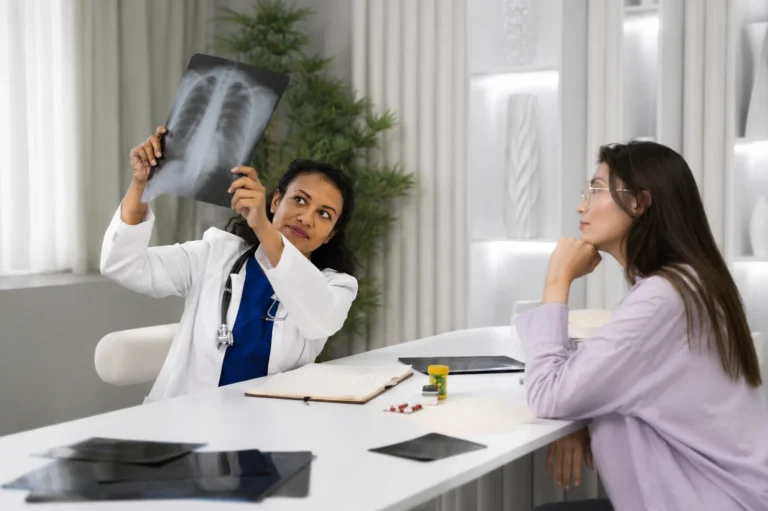
Expert Cancer Consultation
From Trusted Specialists
Schedule Consultation
Fill the form below and our medical team will contact you shortly.
Thank You!
Your enquiry has been submitted successfully.
Our team will contact you shortly.
– Start Online Consultation
If you or your loved one is considering Ewing Sarcoma Treatment in India, early evaluation is important. Fuda Cancer Centre supports patients from across India. There is no need to visit the hospital initially — simply take an online consultation from home.
Our expert Dr. Anup Aboti will review your imaging scans, biopsy and pathology reports, and medical history to understand your condition and discuss appropriate Ewing Sarcoma Treatment options. Fill out the form to schedule your online consultation today.
Start Online Consultation →Ewing Sarcoma Treatment in India involves a combination of specialised cancer treatments tailored to the location, stage, and characteristics of the tumour. Patients from across India can seek expert evaluation through online consultation before planning their treatment. Early diagnosis and a coordinated treatment approach are important because Ewing sarcoma can grow and spread quickly.
What Is Ewing Sarcoma?
Ewing sarcoma is a rare type of cancer that usually develops in the bones or in the soft tissues surrounding bones. It most commonly affects children, teenagers, and young adults, although it can occur at other ages.
Ewing sarcoma may develop in areas such as the pelvis, legs, chest wall, arms, or other bones and soft tissues. Because symptoms can resemble those of other conditions, appropriate imaging and biopsy are important for confirming the diagnosis.
Why Early Treatment Is Important
Ewing sarcoma can be an aggressive cancer. Treatment is generally planned by a multidisciplinary team based on the tumour's location, size, stage, and whether it has spread to other parts of the body.
- Helps establish the extent of the disease
- Allows treatment to begin at an appropriate stage
- Helps control the primary tumour
- May reduce the risk of further spread
- Supports preservation of function where possible
- Enables personalised treatment planning
Treatment decisions should be made by experienced sarcoma specialists after a complete diagnostic evaluation.
How Is Ewing Sarcoma Diagnosed?
Diagnosis usually involves a combination of clinical examination, imaging, laboratory investigations, and biopsy. Doctors may use these tests to determine the location and extent of the tumour and to confirm its type.
- MRI scans to assess the primary tumour
- CT scans when appropriate
- Chest imaging to evaluate the lungs
- PET/CT or other staging investigations when indicated
- Bone scan in selected cases
- Image-guided or surgical biopsy
- Pathology and molecular testing when required
A biopsy is particularly important because treatment for Ewing sarcoma is different from treatment for many other bone or soft-tissue tumours.
Who May Need Ewing Sarcoma Treatment?
Treatment is considered for patients with confirmed Ewing sarcoma. The recommended approach depends on the stage and characteristics of the disease.
- Newly diagnosed localised Ewing sarcoma
- Ewing sarcoma with regional involvement
- Metastatic Ewing sarcoma
- Recurrent Ewing sarcoma
- Extraosseous Ewing sarcoma involving soft tissue
The treatment plan is individualised according to tumour location, response to therapy, overall health, and other clinical factors.
Main Ewing Sarcoma Treatment Options
Ewing sarcoma treatment commonly involves more than one treatment method. Chemotherapy is generally an important part of treatment, while surgery and radiation therapy may be used to control the primary tumour depending on the individual case.
Chemotherapy
Chemotherapy uses anti-cancer medicines to destroy or control cancer cells throughout the body. It is commonly used as part of the initial treatment and may also be continued around local treatment such as surgery.
Surgery
Surgery may be recommended to remove the primary tumour when it can be safely removed. The surgical approach depends on the tumour's size, location, involvement of surrounding structures, and the goal of preserving function.
Radiation Therapy
Radiation therapy uses high-energy radiation to destroy cancer cells. It may be considered when surgery cannot completely remove the tumour, when the tumour is in a location where surgery is difficult, or in other selected situations.
Multimodal Treatment
For many patients, the best approach combines systemic therapy with local treatment. A multidisciplinary sarcoma team may coordinate chemotherapy, surgery, radiation therapy, pathology, radiology, and supportive care.
Procedure & Treatment Timeline
Initial Evaluation
- Review of symptoms and medical history
- Imaging and staging investigations
- Biopsy and pathology review
- Assessment of tumour location and extent
- Multidisciplinary treatment planning
Initial Systemic Treatment
- Chemotherapy may be started according to the specialist's treatment plan
- Regular blood tests and clinical monitoring
- Imaging may be performed to assess treatment response
Local Tumour Treatment
- Surgery may be performed when appropriate
- Radiation therapy may be recommended in selected cases
- Local treatment is planned according to tumour response and location
Further Treatment & Follow-Up
- Additional chemotherapy may be given according to the treatment protocol
- Regular imaging and clinical assessments
- Monitoring for treatment-related effects
- Long-term follow-up after completion of treatment
The overall duration and sequence of treatment vary from patient to patient and depend on the stage, response to therapy, and treatment strategy recommended by the specialist team.
Treatment for Metastatic Ewing Sarcoma
When Ewing sarcoma has spread to other parts of the body, such as the lungs or bones, treatment generally requires systemic therapy along with consideration of local treatments. The exact approach depends on where the cancer has spread and how it responds to treatment.
- Systemic chemotherapy
- Surgery in selected situations
- Radiation therapy when appropriate
- Management of metastatic sites
- Supportive and symptom-directed care
Patients with metastatic disease require careful assessment and coordinated treatment planning by an experienced sarcoma team.
Recurrent Ewing Sarcoma Treatment
If Ewing sarcoma returns after initial treatment, doctors reassess the disease through imaging, pathology review, and other investigations. Treatment options depend on where the cancer has returned, previous treatments, the time since the original diagnosis, and the patient's overall condition.
- Further chemotherapy
- Surgery for selected recurrent tumours
- Radiation therapy in appropriate cases
- Clinical trial options when available
- Supportive and palliative care when required
Treatment Comparison
| Treatment | Approach | Main Role | Use |
|---|---|---|---|
| Chemotherapy | Systemic drug treatment | Controls cancer cells throughout the body | Commonly an important part of treatment |
| Surgery | Surgical tumour removal | Controls the primary tumour | Selected localised or resectable cases |
| Radiation Therapy | Local high-energy radiation | Controls cancer cells at a specific site | Selected cases based on tumour location and response |
| Multidisciplinary Care | Combined treatment approach | Coordinates different treatment modalities | Important for comprehensive sarcoma management |
How to Choose the Right Ewing Sarcoma Treatment Centre
- Experience in treating sarcomas and bone cancers
- Access to advanced imaging and pathology services
- Experienced medical oncology specialists
- Specialised surgical expertise when required
- Radiation oncology facilities
- Multidisciplinary treatment planning
- Structured follow-up and supportive care
How Indian Patients Can Get Started
Patients can begin by sharing their medical history, biopsy or pathology reports, imaging scans, and previous treatment details through online consultation .
An initial expert review can help doctors understand the diagnosis, assess available medical information, and discuss appropriate next steps before the patient travels to the hospital.
Benefits of Seeking Ewing Sarcoma Treatment in India
- Access to specialised cancer care
- Online consultation before hospital visits
- Multidisciplinary treatment planning
- Advanced diagnostic and imaging support
- Personalised treatment strategies
- Coordinated chemotherapy, surgery, and radiation when required
- Follow-up and supportive care
Ewing Sarcoma Treatment in India requires careful diagnosis, staging, and coordinated cancer care. Because every patient's tumour and treatment response can be different, the treatment plan should be determined by an experienced specialist team after a detailed medical evaluation.
Alternatives & When They Fit Better
Ewing Sarcoma Treatment usually involves a combination of chemotherapy and local treatment such as surgery or radiation therapy. The most appropriate approach depends on the tumour location, stage, response to treatment, and the patient's overall health.
- Chemotherapy – Commonly used as an important part of treatment to treat cancer cells throughout the body
- Surgery – Considered when the tumour can be safely removed while preserving as much function as possible
- Radiation Therapy – May be recommended when surgery is not suitable or when additional local tumour control is needed
- Combined Treatment – Chemotherapy, surgery, and radiation may be coordinated depending on the individual case
- Clinical Trials – May provide access to emerging treatment approaches for selected patients
Doctors assess imaging, biopsy findings, disease stage, treatment response, and previous therapies before deciding which combination of treatments is most appropriate.
Latest Updates & What’s Changing
Advances in sarcoma diagnosis, imaging, chemotherapy protocols, surgical techniques, radiation therapy, and supportive care continue to improve the management of Ewing sarcoma.
- More detailed imaging for accurate tumour staging
- Improved biopsy and pathology assessment
- Better chemotherapy protocols and treatment monitoring
- Advances in limb-sparing surgical techniques
- More precise radiation therapy techniques
- Growing use of molecular and genetic testing when clinically appropriate
- Research into new therapies for relapsed or treatment-resistant disease
Ongoing research is focused on improving treatment effectiveness, reducing long-term complications, and developing better options for patients with recurrent or metastatic Ewing sarcoma.
Key Differences: Side-by-Side
| Treatment | Main Purpose | Targeting | Typical Role |
|---|---|---|---|
| Chemotherapy | Treat cancer cells throughout the body | Systemic | Core component of treatment |
| Surgery | Remove the primary tumour | Localised | Selected resectable tumours |
| Radiation Therapy | Destroy cancer cells at a specific site | Localised | Selected cases and local tumour control |
| Clinical Trials | Evaluate newer treatment approaches | Varies | Selected patients, particularly in difficult-to-treat disease |
Each treatment has a different role in Ewing sarcoma management. Depending on the patient's condition, several treatment modalities may be used as part of a coordinated treatment plan.
Cost & Ongoing Treatment Needs
The cost of Ewing Sarcoma Treatment in India can vary significantly depending on the stage of disease, tumour location, treatment protocol, hospital facilities, duration of chemotherapy, need for surgery or radiation therapy, and follow-up requirements.
- Initial consultation and diagnostic evaluation
- Biopsy and pathology investigations
- PET/CT, MRI, CT, or other imaging when required
- Multiple cycles of chemotherapy in many treatment plans
- Surgery when indicated
- Radiation therapy in selected cases
- Regular blood tests and treatment monitoring
- Follow-up imaging and long-term surveillance
Patients should discuss the expected treatment duration, investigations, hospitalisation requirements, and overall financial considerations with their cancer care team before starting treatment.
Preparing for Ewing Sarcoma Treatment
Proper preparation helps doctors establish an accurate diagnosis, determine the extent of disease, and develop an appropriate treatment plan.
- Review of biopsy and pathology reports
- MRI, CT, PET/CT, or other staging scans when required
- Assessment of the tumour's size and location
- Evaluation for possible spread to other parts of the body
- Baseline blood tests and general health assessment
- Review of previous treatments and medications
- Discussion of fertility preservation when appropriate
- Planning for chemotherapy, surgery, or radiation therapy as required
Patients and families should receive clear information about the proposed treatment schedule, possible side effects, monitoring, nutrition, activity, and follow-up care.
Long-Term Outcomes and Survival Rates
The outlook for Ewing sarcoma varies from patient to patient. Important factors include whether the disease is localised or metastatic, the tumour's location and size, response to chemotherapy, age, and other clinical characteristics.
- Localised disease generally has a more favourable outlook than metastatic disease
- Response to initial chemotherapy is an important prognostic factor
- Tumour location and size can influence treatment outcomes
- Metastatic or recurrent disease may require more complex treatment
- Long-term follow-up is important after treatment completion
Survival statistics are based on groups of patients and cannot predict the outcome for an individual. A specialist can provide a more meaningful assessment after reviewing the diagnosis, staging scans, pathology, and response to treatment.
Follow-Up After Ewing Sarcoma Treatment
Regular follow-up is an important part of care after completing treatment. Doctors monitor for recurrence, assess recovery, and address possible late effects of treatment.
- Regular physical examinations
- Follow-up imaging as recommended
- Monitoring of blood counts and organ function when required
- Assessment of bone and muscle function after local treatment
- Monitoring for possible long-term effects of chemotherapy or radiation
- Rehabilitation and supportive care when needed
A personalised follow-up schedule is developed according to the patient's treatment history, age, disease characteristics, and overall health.
Why Choose Fuda Cancer Hospital for Ewing Sarcoma Treatment in India?
Multidisciplinary cancer care, personalised treatment planning, and structured support for patients seeking Ewing Sarcoma Treatment across India.
Experienced Cancer Care with Dedicated Indian Patient Support
Personalised Ewing Sarcoma Treatment Planning
Integrated Chemotherapy, Surgery & Radiation Therapy
Expert Evaluation for Localised, Metastatic & Recurrent Ewing Sarcoma
Structured Monitoring & Long-Term Follow-Up Support
Frequently Asked Questions – Ewing Sarcoma Treatment in India
Common questions patients and families ask about Ewing sarcoma diagnosis, treatment, chemotherapy, surgery, radiation therapy, and treatment planning
What is Ewing Sarcoma?
Ewing sarcoma is a rare and potentially aggressive cancer that most commonly develops in the bones or soft tissues around bones. It is more frequently diagnosed in children, teenagers, and young adults, although it can occur at other ages. Early diagnosis and appropriate specialist care are important for treatment planning.
What are the main treatments for Ewing Sarcoma?
Ewing sarcoma treatment commonly involves a combination of chemotherapy and local treatment. Depending on the individual case, surgery may be used to remove the tumour and radiation therapy may be recommended for local tumour control. The treatment plan depends on the tumour location, stage, response to treatment, and overall health.
Is chemotherapy necessary for Ewing Sarcoma?
Chemotherapy is commonly an important part of Ewing sarcoma treatment because the disease can spread microscopically even when it appears localised on imaging. Doctors determine the appropriate chemotherapy protocol and treatment schedule based on the patient's diagnosis, stage, and clinical condition.
When is surgery used for Ewing Sarcoma?
Surgery may be recommended when the primary tumour can be safely removed. The surgical approach depends on the tumour's size, location, involvement of surrounding structures, and the possibility of preserving limb or organ function. Surgery is often considered as part of a broader treatment plan rather than as a standalone therapy.
When is radiation therapy used for Ewing Sarcoma?
Radiation therapy may be considered when surgery is not suitable, when complete tumour removal is difficult, or when additional local tumour control is needed. The decision depends on the tumour location, response to chemotherapy, surgical findings, and other clinical factors.
Can Ewing Sarcoma spread to other parts of the body?
Yes. Ewing sarcoma can spread, or metastasise, to other parts of the body. The lungs and bones are among the sites that may be involved. Staging investigations such as chest imaging and other scans help doctors determine whether the disease has spread and guide treatment planning.
Is Ewing Sarcoma treatable if it has spread?
Treatment may still be possible for metastatic Ewing sarcoma, although management can be more complex than for localised disease. Systemic chemotherapy is generally important, while surgery and radiation therapy may be considered for selected primary or metastatic sites. The treatment approach is individualised according to the extent and response of the disease.
What happens if Ewing Sarcoma comes back after treatment?
If Ewing sarcoma recurs, specialists reassess the disease with imaging and other investigations before recommending further treatment. Depending on the location of recurrence and previous therapies, treatment options may include additional chemotherapy, surgery, radiation therapy, or clinical trial options when appropriate.
How can patients begin Ewing Sarcoma treatment in India?
Patients can begin with an online consultation by sharing biopsy and pathology reports, MRI, CT, or PET/CT scans, previous treatment records, and relevant medical history. Specialists can review the available information and provide guidance regarding diagnosis, staging, and potential treatment options before the patient visits the hospital.
Our Specialties & Procedures
Explore our range of advanced cancer care procedures designed to provide comprehensive treatment and improve your well-being.

Advanced Therapies For Cancer
Innovative and precise cancer treatments combining advanced technology, targeted therapy, and personalized medicine for better recovery outcomes.
Explore More →
Treating Specific Cancer
Specialized treatment plans for different cancer types — including liver, lung, breast, and bone cancers — with a focus on patient comfort and long-term wellness.
Explore More →Our Specialties & Procedures
Explore our range of advanced cancer care procedures designed to provide comprehensive treatment and improve your well-being.
Advanced Therapies For Cancer
Innovative and precise cancer treatments combining advanced technology, targeted therapy, and personalized medicine for better recovery outcomes.
Explore More →
Treating Specific Cancer
Specialized treatment plans for different cancer types — including liver, lung, breast, and bone cancers — with a focus on patient comfort and long-term wellness.
Explore More →ABOUT FUDA CANCER HOSPITAL
OUR ACHIEVEMENTS
Achievements of FUDA CANCER HOSPITAL

50+ Doctors
Professional Experts

1200+ Patients
Happy Indian Patients

100+ Countries
Global Presence

500+ Employees
Dedicated Workforce
Advanced Therapies for Cancer of All Stages
Nano Knife IRE (Irreversible Electroporation)
Cryotherapy | Cryosurgery | Cryo-ablation
Brachytherapy for Cancer
Microvascular Interventional Chemotherapy
Patient Testimonials
Mrs. Pratibha Rajgopal
Mrs. Dipikabehan Parmar
Mrs. Roseline Chandran
Mrs. Jyoti Bhatia