cancer treatment therapy in india
_____________________________

Expert Cancer Consultation
From Trusted Specialists
Schedule Consultation
Fill the form below and our medical team will contact you shortly.
Thank You!
Your enquiry has been submitted successfully.
Our team will contact you shortly.
Start Your Cancer Treatment Consultation
If you or your loved one has been diagnosed with cancer and is exploring advanced cancer treatment therapies in India, getting an expert opinion early can help you make informed treatment decisions. Fuda Cancer Centre supports patients across India with personalized cancer care and treatment guidance. There is no need to travel initially — you can begin with an online consultation from the comfort of your home.
Our experienced oncology team, led by Dr. Anup Aboti, will review your medical reports, pathology findings, imaging scans, and treatment history to determine the most suitable cancer treatment therapy for your condition. Fill out the form today to schedule your online consultation and receive expert guidance on the best available treatment options.
Start Online Consultation →Cancer Treatment Therapy in India offers patients access to advanced oncology care, personalized treatment planning, and modern cancer management approaches. Patients can begin with an online consultation to discuss diagnosis, treatment options, and expert recommendations before planning hospital visits.
What Is Cancer Treatment Therapy?
Cancer treatment therapy includes a range of medical treatments designed to destroy cancer cells, control tumour growth, relieve symptoms, and improve quality of life. Treatment plans are customized according to the cancer type, stage, and overall health of each patient.
Modern cancer care often combines multiple treatment methods to achieve the best possible outcomes while minimizing side effects.
Why Cancer Treatment in India Is Important
- Access to advanced treatment technologies
- Personalized treatment strategies
- Multidisciplinary cancer care teams
- Comprehensive diagnostic evaluation
- Availability of targeted therapies
- Ongoing monitoring and support
Early diagnosis and timely treatment can significantly improve treatment outcomes and quality of life.
Who May Benefit From Cancer Treatment Therapy
Treatment recommendations are based on medical history, pathology reports, imaging findings, cancer stage, and patient health status.
- Newly diagnosed cancer patients
- Patients with recurrent cancer
- Advanced-stage cancer patients
- Patients seeking second opinions
- Patients exploring advanced treatment options
- Individuals requiring comprehensive oncology care
Types of Cancer Commonly Treated
- Breast Cancer
- Lung Cancer
- Liver Cancer
- Colorectal Cancer
- Stomach Cancer
- Pancreatic Cancer
- Esophageal Cancer
- Head & Neck Cancer
- Ovarian Cancer
- Cervical Cancer
- Prostate Cancer
- Neuroendocrine Tumours
Available Cancer Treatment Options
- Chemotherapy
- Targeted Therapy
- Immunotherapy
- Radiation Therapy
- Surgical Oncology
- Interventional Oncology Procedures
- Combination Treatment Approaches
- Supportive & Palliative Care
Many patients receive a combination of therapies based on their diagnosis and treatment goals.
Treatment Journey & Recovery
Initial Consultation
- Review of medical records
- Pathology report evaluation
- Imaging assessment
- Personalized treatment planning
During Treatment
- Scheduled treatment sessions
- Regular monitoring
- Side-effect management
- Supportive care when required
Recovery & Follow-Up
- Periodic health assessments
- Follow-up imaging and testing
- Long-term monitoring
- Lifestyle and wellness guidance
Recovery timelines vary depending on treatment type, cancer stage, and individual patient response.
Treatment Comparison
| Treatment | Approach | Purpose | Recovery |
|---|---|---|---|
| Chemotherapy | Systemic Drug Therapy | Destroy Cancer Cells | Variable |
| Targeted Therapy | Precision Treatment | Target Specific Cancer Cells | Moderate |
| Immunotherapy | Immune System Activation | Support Natural Defense | Variable |
| Radiation Therapy | Focused Radiation | Shrink or Destroy Tumours | Moderate |
| Surgery | Tumour Removal | Curative or Diagnostic | Longer |
How to Choose the Right Cancer Treatment Centre
- Experienced oncology specialists
- Advanced diagnostic facilities
- Multidisciplinary treatment teams
- Personalized treatment planning
- Modern treatment technologies
- Strong follow-up support services
How Indian Patients Can Get Started
Patients can share pathology reports, scan reports, laboratory results, and treatment history online for specialist review. Experts can provide treatment recommendations and guidance before any hospital visit.
Benefits for Indian Patients
- Online consultation from home
- Personalized treatment recommendations
- Access to advanced cancer therapies
- Comprehensive treatment planning
- Continuous patient support
- Convenient follow-up care
Cancer treatment outcomes continue to improve with advancements in oncology care. Personalized treatment planning and expert guidance help patients make informed decisions throughout their cancer journey.
Available Cancer Treatment Options & When They Are Recommended
Cancer treatment plans are personalized based on cancer type, stage, tumour location, overall health, and treatment goals. Different therapies may be used alone or in combination to achieve the best possible outcomes.
- Chemotherapy – Commonly used to destroy cancer cells throughout the body
- Targeted Therapy – Designed to attack specific cancer-related molecular pathways
- Immunotherapy – Helps the body's immune system recognize and fight cancer cells
- Radiation Therapy – Uses focused radiation to destroy or shrink tumours
- Surgery – Often recommended for localized tumours that can be safely removed
- Combination Therapy – Multiple treatment methods used together for improved outcomes
Specialists evaluate each patient's condition carefully before recommending the most suitable treatment approach.
Latest Advances in Cancer Treatment Therapy
Modern oncology continues to evolve rapidly, providing patients with more precise and personalized treatment options than ever before.
- Advanced molecular and genetic testing
- Precision medicine and targeted therapies
- Improved immunotherapy approaches
- Minimally invasive treatment techniques
- Enhanced imaging and diagnostic technologies
- Personalized treatment planning based on tumour characteristics
These advances help improve treatment effectiveness while reducing the impact on healthy tissues.
Key Differences Between Major Cancer Treatments
| Treatment | Main Purpose | Targeting Precision | Recovery Impact |
|---|---|---|---|
| Chemotherapy | Destroy cancer cells throughout the body | Broad | Variable |
| Targeted Therapy | Block specific cancer pathways | High | Moderate |
| Immunotherapy | Activate immune response | Selective | Variable |
| Radiation Therapy | Destroy localized tumour cells | High | Moderate |
| Surgery | Remove tumour tissue | Localized | Longer |
Many patients receive a combination of treatments throughout their cancer journey depending on treatment response and disease progression.
Treatment Costs & Long-Term Care
Cancer treatment costs vary depending on diagnosis, treatment type, duration of therapy, and supportive care requirements. Long-term follow-up remains an important part of cancer management.
- Personalized treatment planning
- Diagnostic imaging and laboratory testing
- Regular specialist consultations
- Monitoring of treatment response
- Supportive care and symptom management
- Long-term follow-up assessments
Patients should discuss treatment options, expected timelines, and ongoing care requirements with their oncology team.
Preparing for Cancer Treatment
Proper preparation helps patients better understand their treatment journey and supports safer treatment delivery.
- Comprehensive medical evaluation
- Review of pathology and imaging reports
- Discussion of treatment goals
- Assessment of overall health status
- Nutritional and lifestyle guidance
- Preparation for potential side effects
An informed and well-prepared patient is better positioned to navigate treatment successfully.
Long-Term Outcomes & Quality of Life
Cancer treatment outcomes depend on multiple factors, including cancer type, stage at diagnosis, treatment response, and overall patient health. Early diagnosis and personalized care often contribute to better outcomes.
- Potential for tumour control or remission
- Improved symptom management
- Enhanced quality of life
- Reduced risk of disease progression
- Regular monitoring for long-term health
Every patient's journey is unique, and specialists provide individualized guidance based on clinical findings and treatment response.
Why Choose Fuda Cancer Hospital for Cancer Treatment Therapy in India?
Personalized cancer care, multidisciplinary expertise, advanced treatment options, and dedicated support for patients across India.
Comprehensive Cancer Evaluation with Online Consultation Support
Personalized Treatment Plans Tailored to Every Patient
Access to Advanced Cancer Treatment Therapies
Multidisciplinary Team Approach for Complex Cancer Cases
Ongoing Monitoring, Follow-Up & Patient Support
Patient Experiences & Success Stories
Real stories from patients and families who received personalized oncology care, advanced therapies, specialist consultations, and long-term cancer management support.
Personalized Care Plan Made a Difference
Advanced Treatment with Excellent Guidance
Online Consultation Saved Valuable Time
Multidisciplinary Team Approach Was Reassuring
Second Opinion Helped Us Choose Wisely
Comprehensive Monitoring Throughout Recovery
Modern Oncology Services Under One Roof
Quality of Life Improved Significantly
Clear Communication at Every Stage
Compassionate Support Beyond Treatment
Advanced Oncology Care & Personalized Treatment Options
Modern cancer care combines precision medicine, multidisciplinary expertise, advanced diagnostics, and personalized treatment planning to help patients achieve better outcomes while maintaining quality of life.
What Does Modern Cancer Care Include?
- Personalized Treatment Planning: Every treatment plan is tailored according to cancer type, tumour characteristics, stage of disease, previous treatments, and overall patient health.
- Modern oncology combines advanced diagnostics, molecular profiling, imaging technologies, and specialist expertise to guide treatment decisions.
- Patients may receive a single therapy or a combination of treatments depending on individual clinical requirements.
- Continuous monitoring helps evaluate treatment response, manage side effects, and adjust care plans when necessary.
- The goal is to improve treatment effectiveness while supporting long-term health, comfort, and quality of life.
Available Treatment Approaches
- Chemotherapy
- Targeted Therapy
- Immunotherapy
- Radiation Therapy
- Surgical Oncology
- Precision Medicine
- Interventional Oncology Procedures
- Combination Therapy Programs
- Supportive & Palliative Care
- Long-Term Survivorship Care
Why Advanced Oncology Services Matter
Early diagnosis, accurate staging, and access to comprehensive cancer management can significantly influence treatment outcomes.
Advanced oncology services help specialists select the most appropriate therapies based on tumour biology, genetic markers, disease progression, and patient goals.
A multidisciplinary approach allows medical oncologists, surgical specialists, radiologists, pathologists, and supportive care teams to collaborate on complex cases.
Modern treatment strategies focus not only on disease control, but also on symptom management, recovery support, and maintaining the patient's overall quality of life.
Frequently Asked Questions About Advanced Oncology Care
Common questions patients ask about diagnosis, treatment options, specialist consultations, recovery, and long-term cancer management.
What are the most common cancer treatment options available today?
Modern oncology care may include chemotherapy, targeted therapy, immunotherapy, radiation therapy, surgery, precision medicine, and supportive care. The most appropriate treatment depends on the cancer type, stage, tumour characteristics, and overall patient health.
How do doctors decide which treatment is right for a patient?
Specialists evaluate pathology reports, imaging scans, laboratory results, tumour location, disease stage, previous treatments, and overall health. A personalized treatment plan is then developed to achieve the best possible outcome.
Can cancer treatment be personalized?
Yes. Personalized cancer care is now a standard part of modern oncology. Treatment recommendations are tailored to the patient's diagnosis, tumour biology, genetic factors, and treatment goals.
What is the role of targeted therapy and immunotherapy?
Targeted therapy focuses on specific molecular pathways that help cancer grow, while immunotherapy helps the body's immune system identify and attack cancer cells. These therapies may be recommended for eligible patients based on clinical evaluation.
Is surgery always necessary for cancer treatment?
Not always. Some patients benefit from surgery, while others may be treated with chemotherapy, radiation therapy, targeted treatments, immunotherapy, or a combination of therapies. Treatment decisions depend on the specific diagnosis.
What side effects can occur during treatment?
Side effects vary depending on the treatment approach. Some patients experience fatigue, nausea, appetite changes, or temporary discomfort. Oncology teams provide supportive care and monitoring to help manage treatment-related effects.
How long does cancer treatment usually take?
Treatment duration varies significantly based on cancer type, stage, treatment method, and individual response. Some therapies are completed within weeks, while others may continue for several months.
Can patients get a second opinion before starting treatment?
Yes. Many patients seek second opinions to better understand their diagnosis, treatment options, and expected outcomes. Reviewing reports with experienced oncology specialists can help patients make informed decisions.
How can patients begin the consultation process?
Patients can start by sharing pathology reports, imaging scans, blood test results, and treatment history for specialist review. Doctors can then provide guidance regarding available treatment options and the next steps in care planning.
Our Specialties & Procedures
Explore our range of advanced cancer care procedures designed to provide comprehensive treatment and improve your well-being.

Advanced Therapies For Cancer
Innovative and precise cancer treatments combining advanced technology, targeted therapy, and personalized medicine for better recovery outcomes.
Explore More →
Treating Specific Cancer
Specialized treatment plans for different cancer types — including liver, lung, breast, and bone cancers — with a focus on patient comfort and long-term wellness.
Explore More →Our Specialties & Procedures
Explore our range of advanced cancer care procedures designed to provide comprehensive treatment and improve your well-being.
Advanced Therapies For Cancer
Innovative and precise cancer treatments combining advanced technology, targeted therapy, and personalized medicine for better recovery outcomes.
Explore More →
Treating Specific Cancer
Specialized treatment plans for different cancer types — including liver, lung, breast, and bone cancers — with a focus on patient comfort and long-term wellness.
Explore More →ABOUT FUDA CANCER HOSPITAL
OUR ACHIEVEMENTS
Achievements of FUDA CANCER HOSPITAL

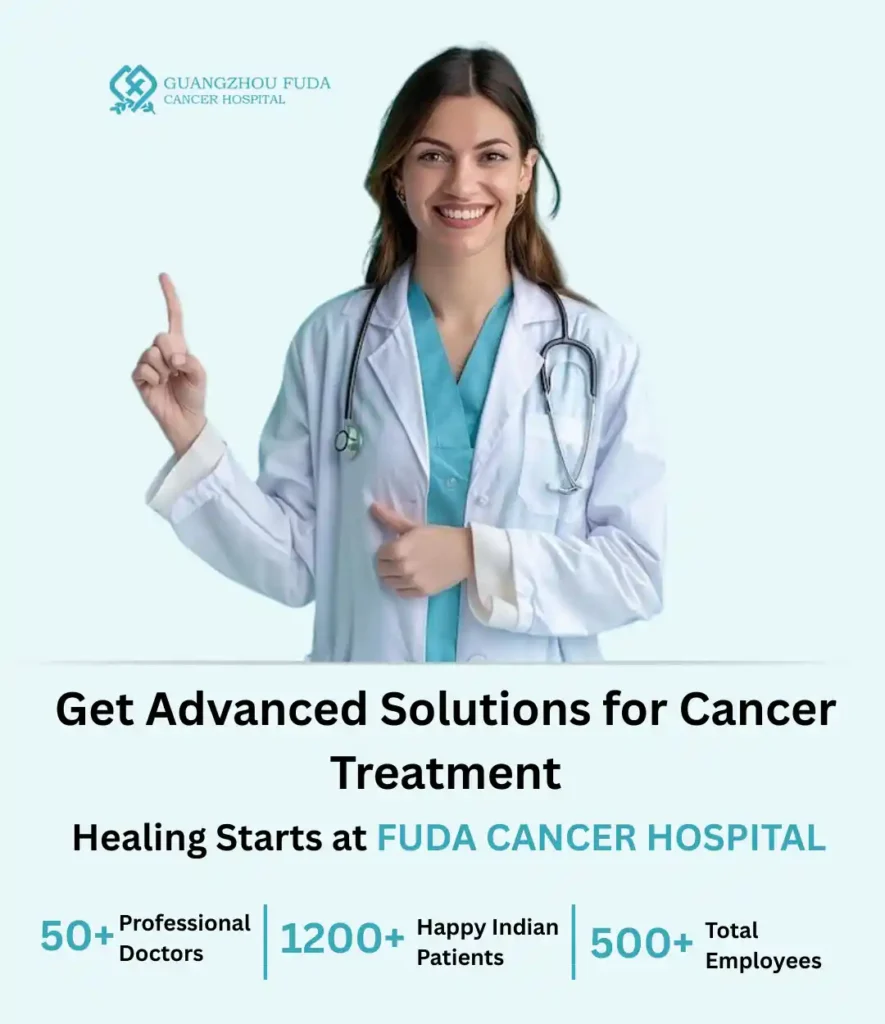
50+ Doctors
Professional Experts

1200+ Patients
Happy Indian Patients

100+ Countries
Global Presence

500+ Employees
Dedicated Workforce
Advanced Therapies for Cancer of All Stages
Nano Knife IRE (Irreversible Electroporation)
Cryotherapy | Cryosurgery | Cryo-ablation
Brachytherapy for Cancer
Microvascular Interventional Chemotherapy
Patient Testimonials
Mrs. Pratibha Rajgopal
Mrs. Dipikabehan Parmar
Mrs. Roseline Chandran
Mrs. Jyoti Bhatia