
Fibrosarcoma Treatment in India
_____________________________
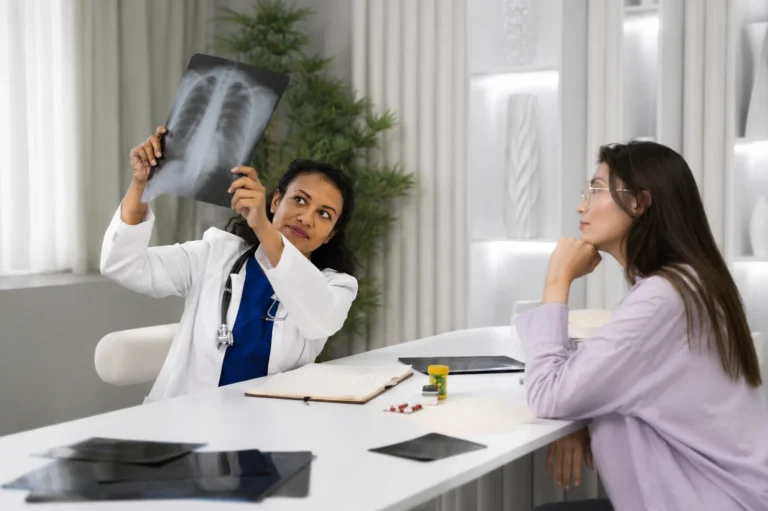
Expert Cancer Consultation
From Trusted Specialists
Schedule Consultation
Fill the form below and our medical team will contact you shortly.
Thank You!
Your enquiry has been submitted successfully.
Our team will contact you shortly.
– Explore Fibrosarcoma Treatment in India
Have you or someone in your family been diagnosed with fibrosarcoma? Understanding the next steps can be difficult. FUDA Cancer Centre helps patients explore care options for this rare type of cancer. You can start with an online consultation from home to discuss your medical reports before planning a hospital visit.
Dr. Anup Aboti can review your available scan reports, biopsy results, and medical history to help you understand the possible next steps. The right treatment depends on the type, location, and stage of the cancer, as well as your overall health. Contact our team to request an online consultation for fibrosarcoma treatment in India.
Start Online Consultation →Looking for fibrosarcoma treatment in India? If you or someone in your family has been diagnosed with fibrosarcoma, you may have many questions about what happens next. FUDA Cancer Centre offers a starting point for patients who want to discuss their reports and understand possible treatment options. You can request an online consultation before planning a hospital visit. The right treatment depends on where the cancer is, how fast it is growing, and whether it has spread to other parts of the body.
What Is Fibrosarcoma?
Fibrosarcoma is a rare type of cancer. It starts in cells that make fibrous tissue, which helps support and connect different parts of the body. It can develop in soft tissues, such as the tissues around muscles, or in certain cases, in bone.
A lump or swelling does not always mean cancer. However, a lump that grows, causes pain, or keeps getting bigger should be checked by a doctor. Tests are needed to find out what the lump is.
Because fibrosarcoma is rare, doctors need to identify the exact type of tumour before choosing a treatment plan.
What Are the Signs of Fibrosarcoma?
The signs can be different for each person. Some people notice a lump, while others may feel pain or swelling in the affected area.
- A lump that grows over time
- Swelling in an arm, leg, or another part of the body
- Pain or tenderness near the lump
- Difficulty moving a nearby joint if the tumour affects movement
- Pain or other problems if the tumour presses on nearby tissues
These signs can also happen with other health problems. Only a proper medical examination and the right tests can help find the cause.
How Is Fibrosarcoma Diagnosed?
Before treatment begins, doctors need to confirm whether the tumour is fibrosarcoma. They also need to learn its size, exact location, and how aggressive it appears to be.
1. Physical Examination
The doctor checks the lump, asks when it first appeared, and learns whether it has changed in size or caused any symptoms.
2. Imaging Tests
Scans help doctors see the tumour and check the tissues around it. The tests depend on where the tumour is located.
- MRI: Often used to see soft tissue tumours in detail.
- CT scan: May be used to examine the chest or other areas when checking whether cancer has spread.
- Other scans: May be advised based on the patient's condition.
3. Biopsy
A biopsy means taking a small sample of tissue from the lump. A specialist examines the sample under a microscope to find out whether cancer is present and what type it is. For rare tumours, review by a pathologist experienced in sarcoma can be helpful.
What Are the Treatment Options for Fibrosarcoma?
There is no single treatment that is right for every patient. The doctor considers the tumour's type, size, location, grade, whether it has spread, and the patient's overall health.
Surgery
Surgery is often the main treatment for fibrosarcoma that has not spread and can be removed safely. The surgeon aims to remove the tumour along with a suitable margin of surrounding tissue.
The type of operation depends on the tumour's location. Doctors try to control the cancer while protecting movement and normal body function whenever possible.
Radiation Therapy
Radiation therapy uses high-energy rays to destroy cancer cells. It may be given before or after surgery in selected cases. The decision depends on the tumour and the risk of cancer returning in the same area.
Chemotherapy
Chemotherapy uses medicines to kill cancer cells or slow their growth. It is not needed by every person with fibrosarcoma. A specialist may discuss it for certain aggressive, advanced, or difficult-to-treat tumours.
Treatment for Cancer That Has Spread
If fibrosarcoma has spread to another part of the body, treatment may involve medicines, selected operations, radiation, or other care. The options depend on where the cancer has spread and how it responds to treatment.
Which Treatment Is Right for You?
The best plan depends on your individual diagnosis. Your doctor may discuss one treatment or a combination of treatments. The following table gives a simple overview.
| Treatment | What It Does | When It May Be Used |
|---|---|---|
| Surgery | Removes the tumour from the body. | Often used when the tumour can be safely removed. |
| Radiation therapy | Uses high-energy rays to damage cancer cells. | May be used before or after surgery in selected cases. |
| Chemotherapy | Uses medicines to treat cancer cells. | May be considered for certain advanced or high-risk cases. |
| Supportive care | Helps manage pain, symptoms, and treatment side effects. | Can be provided alongside cancer treatment when needed. |
Your medical team should explain the expected benefits, possible side effects, and other options before treatment starts.
Can Fibrosarcoma Be Treated Successfully?
The outcome varies from person to person. Factors such as the tumour's type, grade, size, location, and whether it has spread can affect the result.
When the cancer is found early and can be fully removed, treatment may have a better chance of controlling it. However, no doctor can promise the same result for every patient. Some tumours may return after treatment, so follow-up visits are important.
What Happens After Treatment?
Follow-up care helps doctors check your recovery and look for signs that the cancer may have returned. Your follow-up plan will depend on your diagnosis and the treatment you received.
- Attend the check-ups advised by your doctor.
- Have scans or other tests when recommended.
- Tell your medical team about new pain, swelling, or a new lump.
- Ask for help if treatment side effects affect daily life.
- Follow your care team's advice about movement and recovery after surgery.
Do not skip follow-up appointments even if you feel well. Your doctor will tell you how often you need to return.
How to Choose a Fibrosarcoma Treatment Centre in India
Since fibrosarcoma is rare, it is important to understand who will manage your care and what support is available. Before making a decision, consider asking the hospital these questions:
- Can a specialist review my biopsy and confirm the diagnosis?
- Does the medical team have experience treating sarcomas?
- Will my scans and reports be reviewed before treatment is planned?
- Can surgery, radiation, and medical cancer treatment be discussed if they are relevant to my case?
- What follow-up care will I need after treatment?
- Can the team explain the expected costs and possible treatment side effects?
You can also ask for a second opinion if you are unsure about the diagnosis or the recommended treatment.
Online Consultation for Fibrosarcoma Treatment in India
Travelling to another city for a medical opinion can take time and effort. An online consultation may help you discuss your case before making travel plans.
If you contact FUDA Cancer Centre, ask which reports are needed for an initial review. These may include:
- Biopsy and pathology reports
- MRI or CT scan reports and available images
- Previous treatment records, if treatment has already started
- A list of current medicines and other important medical details
The doctor can review the information available and explain possible next steps. An online discussion may not be enough to confirm a diagnosis or make a final treatment decision. An in-person examination or further tests may still be needed.
To ask about an online consultation, contact the team through the link below.
Request an Online Consultation →
Frequently Asked Questions
Is fibrosarcoma a serious disease?
Yes, fibrosarcoma is a type of cancer that needs proper medical care. Its seriousness depends on the exact tumour type, grade, size, location, and whether it has spread.
Does every patient need surgery?
No. Surgery is often the main treatment for a tumour that can be removed, but the right plan depends on the individual case. Radiation, medicines, or other treatments may also be considered.
Can fibrosarcoma come back after treatment?
Yes, it can return in some patients. The risk depends on the tumour and the treatment received. Regular follow-up helps doctors check for signs of recurrence.
Can I get an online medical opinion from home?
You can contact the centre to ask about online consultation. The medical team can explain which reports are needed and whether an online review is suitable for your situation.
What reports should I keep ready?
Keep your biopsy report, scan reports, scan images, and previous treatment records ready if available. The doctor may ask for additional tests or information after reviewing your case.
Take the Next Step
A fibrosarcoma diagnosis can bring many questions, but understanding your options is a useful first step. Get your reports organised, ask questions, and discuss your case with a qualified cancer specialist before choosing a treatment.
FUDA Cancer Centre can be contacted to ask about consultation options and the next steps for your case.
Medical note: This page provides general information and is not a substitute for a medical examination or advice from a qualified doctor. Treatment decisions should be based on a confirmed diagnosis and an individual medical assessment.
Other Treatment Options for Fibrosarcoma
Every fibrosarcoma case is different. Some tumours can be removed with surgery, while others may need more than one type of treatment. Doctors study the biopsy results, scans, tumour location, and overall health before suggesting a plan.
- Surgery – Often the main option when the tumour can be safely removed.
- Radiation Therapy – Uses strong rays to kill cancer cells. It may be given before or after surgery in selected cases.
- Chemotherapy – Uses medicines to treat cancer. It may be considered for certain types of advanced or aggressive disease.
- Targeted Medicines – May be considered in selected cases if tests show a treatment target that can be acted on.
- Supportive Care – Helps manage pain, side effects, and other problems during treatment.
Not every patient needs all these treatments. A sarcoma specialist can explain which options may fit your diagnosis and why.
New Research in Fibrosarcoma Care
Doctors and researchers continue to study ways to diagnose and treat soft tissue cancers more effectively. The right treatment still depends on the exact type of fibrosarcoma and the results of medical tests.
- Better scans to show the size and position of a tumour
- Improved methods to study biopsy samples
- More research into how different tumours grow
- Studies of new medicines for selected patients
- Better ways to manage pain and treatment side effects
New treatments are not suitable for everyone. Ask your doctor whether any new treatment or clinical trial is relevant to your case. Research findings do not always mean that a treatment is ready for routine use.
Comparing Fibrosarcoma Treatment Options
| Treatment | What It Does | When It May Help | Things to Know |
|---|---|---|---|
| Surgery | Removes the tumour. | Often used when the cancer can be removed safely. | Recovery time depends on the size and location of the operation. |
| Radiation Therapy | Uses high-energy rays to damage cancer cells. | May help lower the chance of cancer returning in the treated area. | May cause skin changes, tiredness, or other side effects. |
| Chemotherapy | Uses medicines to treat cancer cells. | May be used for certain advanced or high-risk cases. | Side effects depend on the medicines used. |
| Supportive Care | Helps relieve symptoms and improve comfort. | Can be used during cancer treatment when needed. | It supports care but does not replace cancer treatment. |
These treatments work in different ways. Your medical team can explain the likely benefits, risks, and limits of each option.
Fibrosarcoma Treatment Cost in India
The cost of fibrosarcoma treatment in India is different for each patient. It depends on the type of cancer, the tests needed, the hospital, and the treatment plan.
- Doctor consultations and specialist reviews
- Biopsy and pathology tests
- MRI, CT scans, and other required tests
- Surgery and hospital stay, if needed
- Radiation therapy or medicines, when advised
- Follow-up visits and later scans
Ask the hospital for a written estimate based on your reports. Check what is included, what may cost extra, and whether follow-up care is covered. A doctor should review your case before anyone gives you a reliable treatment estimate.
How to Prepare for Fibrosarcoma Treatment
Getting your medical information ready can help your doctor understand your case. You do not need to know everything before your first appointment.
- Keep your biopsy and pathology reports ready.
- Bring MRI or CT scan reports and images, if available.
- Share details of any treatment you have already received.
- Tell the doctor about your medicines and other health problems.
- Ask what further tests are needed before treatment.
- Discuss possible side effects and recovery time.
- Ask when you can return to work or normal daily activities.
Do not stop prescribed medicines or change your treatment without speaking to your doctor.
Recovery and Long-Term Outlook
Recovery from fibrosarcoma treatment is different for every person. It depends on the tumour, the treatment used, and the person's general health.
- Some patients need time to recover after surgery.
- Radiation therapy may cause tiredness or skin changes.
- Chemotherapy can cause side effects that depend on the medicines used.
- Physiotherapy may help some patients regain movement after treatment.
- Regular check-ups help doctors look for signs that the cancer has returned.
The chance of successful treatment depends on several factors, including the tumour type, grade, size, location, and whether it has spread. No single survival rate can accurately predict the outcome for every person with fibrosarcoma.
Your doctor can explain what your test results mean and discuss the outlook for your individual case.
Why Is Follow-Up Care Important?
Finishing treatment is an important step, but medical care may continue afterwards. Fibrosarcoma can return in some patients, so your doctor will plan check-ups based on your condition.
- Attend appointments at the advised times.
- Complete scans and other tests when recommended.
- Report a new lump, growing swelling, or new pain.
- Discuss any lasting problems after surgery or other treatment.
- Keep copies of your reports for future appointments.
Follow-up care helps your medical team check your health and decide whether any further tests or treatment are needed.
Getting a Medical Opinion at FUDA Cancer Centre
If you are looking for fibrosarcoma treatment in India, you can contact FUDA Cancer Centre to ask about the consultation process.
Keep your biopsy results, scan reports, and previous treatment details ready if you have them. These records can help the medical team understand your case and explain the next steps.
An online consultation may help you discuss your reports from home before planning travel. However, an online review may not replace a physical examination, further tests, or an in-person specialist assessment.
Contact FUDA Cancer Centre to Ask About a Consultation
Medical information notice: This page is for general education only. It does not replace a diagnosis or treatment advice from a qualified medical professional. Treatment decisions should be based on your confirmed diagnosis and individual medical assessment.
Why Consider FUDA Cancer Centre for Fibrosarcoma Treatment in India?
Understand your diagnosis, explore suitable treatment options, and learn about the next steps with medical guidance tailored to your case.
Start by Understanding Your Diagnosis
Treatment Choices Based on Your Medical Reports
Guidance for Different Stages of Fibrosarcoma
Online Consultation Before Planning Your Visit
Follow-Up Care and Recovery Guidance
Frequently Asked Questions About Fibrosarcoma Treatment in India
Simple answers about fibrosarcoma symptoms, diagnosis, treatment choices, recovery, and online consultation.
What is fibrosarcoma?
Fibrosarcoma is a rare type of cancer that starts in fibrous tissue, which helps support and connect parts of the body. It may develop in soft tissue and, in some cases, bone. Doctors use medical tests and a biopsy to confirm the diagnosis and identify the exact tumour type.
What are the common signs of fibrosarcoma?
A growing lump or swelling is one possible sign. Some people may also have pain or trouble moving the nearby body part. These signs can happen for many reasons and do not always mean cancer. A doctor should check any lump that grows or does not go away.
How do doctors confirm fibrosarcoma?
Doctors may use an MRI or CT scan to see the tumour and understand where it is located. A biopsy takes a small sample of tissue for examination under a microscope. A specialist may also review the pathology report to confirm the exact type of cancer.
What is the main treatment for fibrosarcoma?
Surgery is often the main treatment when the tumour can be removed safely. Depending on the case, doctors may also recommend radiation therapy or cancer medicines. The right plan depends on the tumour's type, size, location, grade, and whether it has spread.
Can fibrosarcoma be treated without surgery?
In some cases, doctors may consider radiation therapy, medicines, or other treatment approaches. However, these options are not suitable for every patient. The decision depends on the exact diagnosis and whether surgery is possible or likely to help.
Is fibrosarcoma a serious type of cancer?
Fibrosarcoma needs proper medical care because it can grow into nearby tissues and may spread to other parts of the body. The level of risk varies from person to person. The tumour's grade, size, location, and spread help doctors understand how serious the condition may be.
Can fibrosarcoma come back after treatment?
Yes, fibrosarcoma can return in some patients, even after treatment. The risk depends on the tumour and the treatment received. Regular check-ups and scans, when advised, help doctors look for signs that the cancer has returned.
How much does fibrosarcoma treatment cost in India?
The cost depends on the tests needed, the type of treatment, the hospital, the length of the hospital stay, and follow-up care. Ask the hospital for a cost estimate based on your medical reports. Make sure you understand which tests and services are included.
Can I request an online consultation for fibrosarcoma treatment?
You can contact FUDA Cancer Centre to ask about online consultation options. Keep your biopsy report, scan results, and previous treatment records ready if available. The medical team can explain the next steps. An online consultation may not replace a physical examination or additional tests.
What should I bring to my first appointment?
Bring your biopsy and pathology reports, MRI or CT scan reports, scan images if available, and details of any treatment you have already received. Tell the doctor about your current medicines and other health problems. These details help the doctor review your case.
How long does recovery from fibrosarcoma treatment take?
Recovery time is different for each patient. It depends on the treatment, the size and location of the tumour, and the person's overall health. Recovery after surgery may take weeks or longer. Your doctor can explain what to expect and when you may return to your usual activities.
What follow-up care is needed after treatment?
Your doctor may schedule regular visits and scans to check your recovery and look for signs of the cancer returning. The timing depends on your diagnosis and treatment. Keep your appointments and report any new lump, swelling, or unexplained pain.
OUR ACHIEVEMENTS
Achievements of FUDA CANCER HOSPITAL

50+ Doctors
Professional Experts

1200+ Patients
Happy Indian Patients

100+ Countries
Global Presence

500+ Employees
Dedicated Workforce
Advanced Therapies for Cancer of All Stages
Nano Knife IRE (Irreversible Electroporation)
Cryotherapy | Cryosurgery | Cryo-ablation
Brachytherapy for Cancer
Microvascular Interventional Chemotherapy
Patient Testimonials
Mrs. Pratibha Rajgopal
Mrs. Dipikabehan Parmar
Mrs. Roseline Chandran
Mrs. Jyoti Bhatia